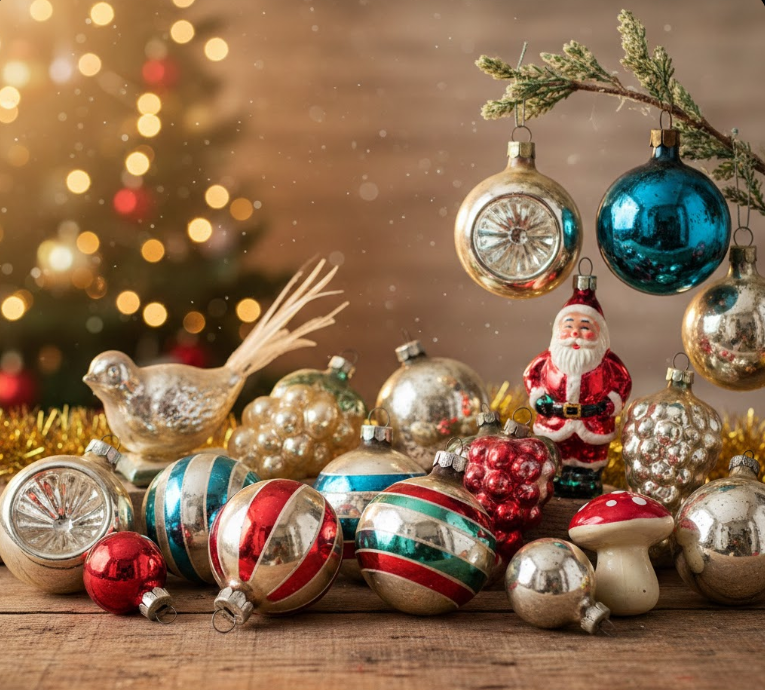
There is something magical about opening a box of vintage glass Christmas ornaments and unwrapping each delicate piece of history. The shimmer of hand-blown glass, the soft patina of age, and the intricate hand-painted details instantly transport us to holidays past. Unlike mass-produced decorations, Antique glass Christmas ornaments carry stories, craftsmanship, and sentimental value that modern décor often lacks.
In recent years, interest in Antique glass Christmas ornaments has grown significantly. Collectors, interior designers, and nostalgic holiday enthusiasts alike are rediscovering the charm of antique and retro ornaments. Whether inherited from grandparents or discovered at a flea market, these ornaments offer more than decoration—they preserve tradition.
This comprehensive guide explores the history, styles, value, care, and collecting strategies associated with vintage glass Christmas ornaments. If you are looking to buy, sell, or simply understand these delicate treasures, you will find expert insights and practical advice throughout.
The Fascinating History of Vintage Glass Christmas Ornaments
The story of vintage glass Christmas ornaments begins in 19th-century Germany. In the small town of Lauscha, skilled glassblowers began crafting delicate ornaments in the 1840s. These artisans were already known for producing glass beads and toys, and it was only natural that they turned their expertise toward holiday decorations.
By the late 1800s, these handcrafted glass baubles gained international attention. Retailers such as F. W. Woolworth Company imported large quantities of German ornaments into the United States. By the early 20th century, millions of glass ornaments were being sold annually, establishing a global tradition.
During the Victorian era, Christmas trees were decorated with fruits, nuts, candles, and handmade items. The introduction of glass ornaments elevated the aesthetic. Mercury glass finishes, intricate shapes, and reflective surfaces created dazzling displays under candlelight.
World War II temporarily disrupted European production, shifting ornament manufacturing to other countries including the United States and Japan. This transition introduced new styles, colors, and mass-production techniques, adding diversity to the vintage ornament market we see today.
Defining Characteristics of Vintage Glass Christmas Ornaments
Several distinct characteristics define authentic vintage glass Christmas ornaments. First is craftsmanship. Early ornaments were hand-blown and hand-painted, resulting in subtle variations that make each piece unique. Tiny air bubbles in the glass often indicate older production methods.
Mercury glass interiors are another hallmark. A thin silver nitrate solution was added inside the ornament to create a reflective surface. Over time, oxidation can produce darkened spots, which collectors often consider desirable signs of age.
Brands also play an important role in identification. American companies such as Shiny Brite became especially popular during the mid-20th century. These ornaments frequently feature vibrant colors and distinctive metal caps stamped with brand names.
Color palettes also help date pieces. Victorian ornaments often display muted jewel tones like deep burgundy and forest green, while mid-century designs favor bright pinks, turquoise, and metallic hues.
The weight and feel of Antique glass Christmas ornaments differ from modern reproductions. Older glass is typically thinner and more fragile. Caps may show signs of aging, including rust or tarnish.
Popular Styles and Designs Through the Decades
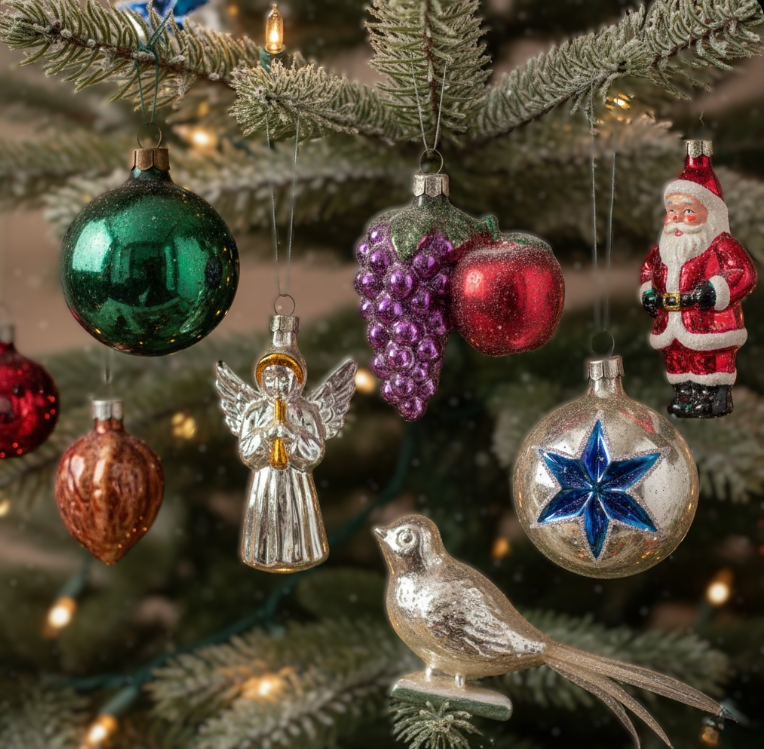
Vintage glass Christmas ornaments evolved stylistically across generations. Victorian-era ornaments often included fruit shapes, birds, and elaborate finials. Birds with feather tails were especially popular and symbolized joy and good fortune.
The 1920s and 1930s introduced more playful figural designs such as Santas, snowmen, and whimsical characters. Post-war optimism in the 1950s brought bright colors and atomic-inspired shapes reflecting mid-century modern aesthetics.
During this period, reflector ornaments became highly sought after. These ornaments feature indented centers that reflect light dramatically, creating a glowing effect on the tree.
The influence of media and culture also shaped ornament trends. Characters inspired by holiday films and advertising icons gained popularity, blending nostalgia with commercial appeal.
Why Vintage Glass Christmas Ornaments Are So Valuable
Collectors value vintage glass Christmas ornaments for multiple reasons. Scarcity plays a significant role. Ornaments from the 19th and early 20th centuries are rarer due to fragility and wartime losses.
Condition significantly affects value. Intact paint, minimal oxidation, and original caps increase desirability. According to auction data from major collectibles markets, certain rare figural ornaments can fetch hundreds or even thousands of dollars.
Brand recognition also drives demand. Pieces from renowned manufacturers like Christopher Radko are especially sought after, although Radko’s work often blends vintage inspiration with contemporary craftsmanship.
Sentimental value further enhances appeal. Families frequently pass down vintage glass Christmas ornaments through generations, transforming them into heirlooms.
The global collectibles market continues to grow. Industry reports indicate that holiday décor resale markets have expanded steadily over the past decade, with vintage items commanding premium prices online.
How to Identify Authentic Vintage Glass Christmas Ornaments
Authenticity matters greatly in the collectibles market. Start by examining the cap. Older caps may display embossed markings, country-of-origin stamps, or aged metal finishes.
Inspect the glass closely. Handmade ornaments typically show slight asymmetry. Machine-made reproductions are more uniform.
Look for signs of natural aging rather than artificial distressing. Genuine oxidation appears irregular and subtle. Artificial aging often looks overly consistent.
Research manufacturer markings carefully. Certain brands used distinct cap designs during specific decades. Reference books and online collector communities can help verify production periods.
Provenance also matters. If an ornament has documentation or family history dating back decades, its authenticity becomes more credible.
Caring for and Preserving Vintage Glass Christmas Ornaments
Preservation is essential for maintaining both sentimental and monetary value. Vintage glass Christmas ornaments should always be handled with clean, dry hands. Oils from skin can degrade paint over time.
Cleaning should be minimal and gentle. Avoid soaking ornaments in water, as moisture can damage interior silvering. A soft microfiber cloth works best for light dust removal.
Proper storage is crucial. Wrap each ornament individually in acid-free tissue paper. Store them in divided boxes to prevent contact and breakage. Temperature fluctuations and humidity should be minimized.
When displaying vintage glass Christmas ornaments on a tree, use sturdy branches and avoid placing fragile pieces near high-traffic areas.
Decorating With Vintage Glass Christmas Ornaments
Vintage glass Christmas ornaments bring warmth and authenticity to modern interiors. Designers often mix antique ornaments with contemporary lights to create layered visual interest.
A monochromatic tree featuring vintage mercury glass ornaments offers understated elegance. Alternatively, a colorful mid-century theme creates a playful retro aesthetic.
Incorporating heirloom ornaments into wreaths or garlands can also add dimension to holiday décor. Some homeowners display vintage glass Christmas ornaments in glass bowls or shadow boxes to showcase their beauty year-round.
Interior design surveys show that nostalgic décor trends continue to rise, especially during the holiday season. Vintage elements evoke comfort and tradition, resonating strongly with younger generations seeking authenticity.
The Growing Market for Vintage Glass Christmas Ornaments
The online resale market has transformed collecting. Platforms such as eBay and specialty antique marketplaces allow buyers to access global inventories.
According to collectibles industry research, seasonal décor remains one of the fastest-growing categories in the secondary market. Vintage glass Christmas ornaments consistently rank among top holiday collectibles.
Economic uncertainty often increases interest in tangible assets. Decorative antiques provide emotional value alongside potential financial appreciation.
Collectors should monitor auction results and market trends to understand pricing fluctuations. Rare pieces often spike in value during peak holiday seasons.
Sustainability and the Appeal of Vintage Décor
Choosing vintage glass Christmas ornaments aligns with sustainable living principles. Reusing existing decorations reduces demand for mass production and minimizes waste.
Many consumers today prioritize environmentally conscious purchasing decisions. Vintage décor supports circular economies and extends the lifecycle of beautifully crafted objects.
Additionally, antique ornaments were often made with higher-quality materials than many modern alternatives. Investing in durable, timeless pieces reduces the need for replacement.
The Emotional Connection to Vintage Glass Christmas Ornaments
Holiday traditions are deeply emotional. Vintage glass Christmas ornaments often symbolize childhood memories, family gatherings, and seasonal rituals.
Psychologists note that nostalgia can enhance mood and strengthen social bonds. Displaying heirloom ornaments can evoke positive emotions and reinforce family identity.
Unlike disposable decorations, vintage glass Christmas ornaments carry narrative weight. Each chip, patina mark, or faded paint detail contributes to its story.
The Future of Vintage Glass Christmas Ornaments
As interest in heritage décor continues to grow, vintage glass Christmas ornaments are likely to remain highly desirable. Younger collectors increasingly appreciate craftsmanship and authenticity.
Social media platforms have amplified vintage trends, showcasing curated holiday trees featuring antique ornaments. This visibility fuels demand and market expansion.
Experts predict steady appreciation for rare and well-preserved examples, especially those with documented origins.
Conclusion
Vintage glass Christmas ornaments represent more than holiday decorations. They embody history, craftsmanship, sustainability, and emotional connection. From their origins in 19th-century Germany to their resurgence in today’s collectible market, these delicate treasures continue to captivate generations.
Whether you are a seasoned collector or simply someone who cherishes meaningful holiday décor, investing in vintage glass Christmas ornaments offers aesthetic beauty and lasting value. With proper care and thoughtful display, these ornaments can illuminate your celebrations for decades to come.
FAQs
What makes vintage glass Christmas ornaments different from modern ones?
Vintage pieces are typically hand-blown and hand-painted, featuring thinner glass and unique craftsmanship not found in mass-produced ornaments.
How old must an ornament be to be considered vintage?
Generally, items over twenty to thirty years old qualify as vintage, while pieces over one hundred years old are classified as antique.
Are vintage glass Christmas ornaments a good investment?
Rare, well-preserved examples often appreciate in value, especially those from notable manufacturers or specific historical periods.
How can I safely store vintage glass Christmas ornaments?
Wrap each ornament individually in acid-free tissue paper and store in divided boxes in a climate-controlled space.
Can vintage glass Christmas ornaments still be used on a tree?
Yes, but they should be placed carefully on sturdy branches and handled gently to prevent damage.
For more updates visit: blogify News