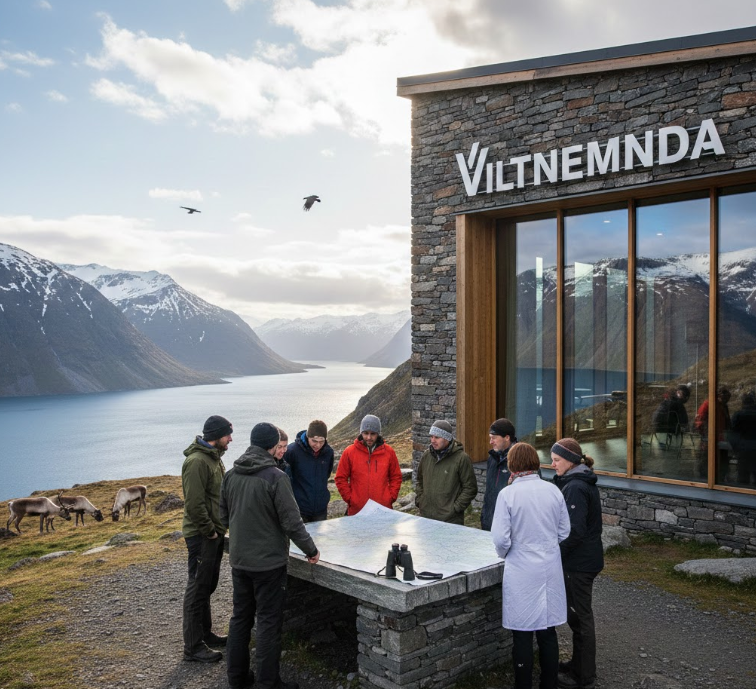
Wildlife management in Norway is built on a unique system that balances conservation, hunting traditions, and local governance. At the center of this system stands viltnemnda, a municipal wildlife board that plays a crucial role in shaping how wild game is managed across the country. From setting local hunting quotas to addressing human-wildlife conflicts, viltnemnda serves as a bridge between national legislation and local ecological realities.
Understanding viltnemnda is essential for hunters, landowners, policymakers, conservationists, and anyone interested in Scandinavian environmental governance. Norway’s model emphasizes decentralized authority, local ecological knowledge, and sustainable resource use. In this comprehensive guide, you will learn how viltnemnda operates, the legal framework behind it, its responsibilities, decision-making processes, and its broader impact on wildlife management and rural communities.
By the end of this article, you will gain a deep, research-backed understanding of how viltnemnda contributes to sustainable wildlife governance in Norway and why it is often cited as a model of local environmental democracy.
What Is Viltnemnda?
Viltnemnda is a municipal wildlife management board established under Norwegian law. Each municipality in Norway may appoint a viltnemnda to oversee local wildlife matters, particularly those related to hunting and game management.
The term “viltnemnda” comes from the Norwegian language, where “vilt” refers to wild game and “nemnda” means committee or board. Together, the word describes a local wildlife board entrusted with responsibilities under the national framework.
While Norway has strong central environmental authorities, much of the operational wildlife management occurs at the municipal level. Viltnemnda ensures that decisions reflect local ecological conditions, population data, land use patterns, and community interests.
Also Read:White Lab Complete Guide to Genetics, Temperament, Care, and Training
Legal Framework Behind Viltnemnda
The authority of viltnemnda is rooted in the Wildlife Act and subsequent regulations governing wildlife management in Norway. The Act establishes principles of sustainable use, biodiversity conservation, and responsible hunting.
The Norwegian government also relies on environmental oversight from agencies such as the Norwegian Environment Agency, which sets national guidelines. However, municipalities implement these rules locally through viltnemnda.
Under the Wildlife Act, municipalities are required to ensure that wildlife populations are managed sustainably. This includes:
Sustainable harvest levels
Habitat protection considerations
Prevention of wildlife damage
Balancing conservation with agricultural interests
Viltnemnda acts within this legal structure, ensuring that local decisions comply with national policy.
Structure and Composition of Viltnemnda
Viltnemnda members are appointed by the municipal council. The board typically includes individuals with expertise or experience in:
Wildlife management
Hunting and outdoor recreation
Agriculture and forestry
Environmental protection
The composition reflects Norway’s tradition of participatory governance. Local stakeholders often have direct input into wildlife policy, strengthening democratic legitimacy.
Members usually serve fixed terms aligned with municipal political cycles. Their decisions must align with national wildlife regulations while adapting to local circumstances.
Core Responsibilities of Viltnemnda
Management of Game Species
One of the most important tasks of viltnemnda is overseeing the management of huntable species. This includes animals such as moose, deer, roe deer, and small game birds.
Viltnemnda determines local quotas based on population assessments, habitat conditions, and regional management plans. These quotas ensure that hunting remains sustainable and does not threaten biodiversity.
Also Read:How to Get Pink Petal Kosode Armor Naoe
Issuing Hunting Permits
Hunting in Norway requires proper licensing and compliance with regulations. Viltnemnda often plays a role in allocating or overseeing local permits for specific species.
The board ensures that permits are consistent with established quotas and that hunters follow ethical and legal standards.
Addressing Human-Wildlife Conflicts
In rural Norway, wildlife can cause agricultural damage. Moose may destroy crops, deer can damage forests, and predators can threaten livestock.
Viltnemnda may authorize special measures to reduce damage, including targeted hunting or preventive strategies. These decisions require balancing ecological integrity with economic realities.
Monitoring Wildlife Populations
Data collection is essential to sustainable wildlife management. Viltnemnda collaborates with hunters, landowners, and environmental authorities to gather information on wildlife numbers, reproduction rates, and migration patterns.
Accurate monitoring helps ensure that decisions are science-based rather than politically driven.
Viltnemnda and Sustainable Wildlife Management
Sustainability is the cornerstone of Norway’s environmental policy. Viltnemnda operates under principles that aim to preserve biodiversity while allowing regulated use of wildlife resources.
Norway’s moose population, for example, is among the largest in Europe. Managed hunting has helped maintain stable numbers while supporting rural economies. Studies show that regulated hunting contributes significantly to local revenue through permits, meat production, and tourism.
Viltnemnda ensures that harvest levels reflect ecological carrying capacity. Overhunting could destabilize ecosystems, while under-management might lead to overpopulation and increased traffic accidents.
This adaptive management model is widely respected among conservation experts.
The Role of Local Knowledge in Viltnemnda Decisions
One distinguishing feature of viltnemnda is its reliance on local ecological knowledge. Board members often have direct experience with the landscape, seasonal wildlife patterns, and community concerns.
This localized understanding enhances the quality of decisions. Rather than applying uniform national quotas, viltnemnda tailors regulations to specific environmental conditions.
For example, a mountainous municipality may manage reindeer differently than a coastal forest municipality manages roe deer. Such customization ensures ecological relevance.
Hunting Culture and Viltnemnda
Hunting has deep cultural roots in Norway. It is not only a recreational activity but also an important part of rural identity and food traditions.
Viltnemnda plays a central role in maintaining this cultural practice responsibly. By setting ethical standards and sustainable quotas, the board helps preserve Norway’s hunting heritage while protecting wildlife populations.
Hunting associations often collaborate closely with viltnemnda, sharing data and participating in management discussions. This partnership fosters trust and transparency.
Also Read:LS34A654UBNXGO Firmware M-A6534SGZA Complete Update & Optimization Guide
Environmental Democracy and Community Engagement
Norway consistently ranks high in environmental governance and democratic participation. Viltnemnda embodies this principle at the local level.
Public transparency is an essential component. Municipal councils oversee the appointment of board members, and decisions must align with established laws.
Community members can raise concerns, especially in cases involving controversial issues such as predator control or expanded hunting seasons.
This participatory model strengthens legitimacy and reduces conflict between stakeholders.
Viltnemnda and Predator Management
Predator management remains one of the most sensitive topics in Norwegian wildlife policy. Species such as wolves and lynx generate debate between conservationists and farmers.
While large carnivore management is heavily regulated at the national level, viltnemnda may handle local implications and compensation issues. Decisions must align with guidelines from the Ministry of Climate and Environment.
Balancing biodiversity protection with livestock safety requires careful consideration, often involving scientific data and stakeholder consultation.
Wildlife Conservation and Biodiversity Goals
Norway is committed to international biodiversity agreements, including commitments under global environmental frameworks.
Viltnemnda contributes by ensuring that hunting and local wildlife policies do not undermine conservation goals. By maintaining stable populations of key species, the board helps sustain ecosystem health.
Forest ecosystems, tundra habitats, and coastal areas all depend on balanced wildlife populations. Overgrazing by deer or moose can negatively affect vegetation diversity.
Thus, viltnemnda decisions have far-reaching ecological implications.
Economic Impact of Viltnemnda Decisions
Wildlife management has economic consequences. Hunting licenses, tourism, and meat production generate income in rural communities.
Moose hunting alone contributes millions of euros annually to Norway’s rural economy. Viltnemnda decisions on quotas directly influence these revenues.
At the same time, insufficient management may increase road accidents involving wildlife, leading to economic losses and public safety risks.
Balancing economic sustainability with ecological responsibility is a continuous challenge.
Transparency, Accountability, and Governance
Viltnemnda operates within Norway’s broader administrative system. Municipal oversight ensures accountability.
Decisions must be documented and comply with administrative law. Appeals may be directed to higher authorities if disputes arise.
This legal structure ensures that viltnemnda decisions remain fair, transparent, and aligned with national environmental policy.
Challenges Facing Viltnemnda
Climate change introduces new complexities to wildlife management. Changing migration patterns, altered vegetation growth, and shifting habitats require adaptive strategies.
Urban expansion also affects wildlife corridors and increases human-wildlife interaction. Viltnemnda must consider land development impacts when making management decisions.
Additionally, generational shifts in hunting participation may affect future governance structures.
Adapting to these evolving challenges requires ongoing education, scientific collaboration, and community engagement.
How Viltnemnda Differs from Central Authorities
The Norwegian wildlife system balances centralized policy with local implementation. National authorities define frameworks, while viltnemnda applies them locally.
This division of responsibilities prevents excessive bureaucracy while preserving ecological integrity.
The decentralized model allows for flexibility and faster response to local conditions.
International Comparisons
Few countries grant such extensive local authority in wildlife management. In many nations, central governments control hunting quotas directly.
Norway’s approach through viltnemnda demonstrates that decentralized governance can achieve sustainability when supported by strong legal frameworks and scientific data.
International conservation scholars often highlight Norway’s model as a case study in participatory environmental governance.
Best Practices for Engaging with Viltnemnda
Landowners and hunters benefit from maintaining open communication with the local board. Participation in wildlife surveys and adherence to regulations strengthen collaborative management.
Understanding local quotas, reporting harvest data accurately, and engaging in public consultations contribute to sustainable outcomes.
Viltnemnda values evidence-based input and constructive dialogue.
Future Outlook for Viltnemnda
The future of viltnemnda will likely involve increased digital data collection, improved wildlife monitoring technology, and enhanced collaboration with research institutions.
Sustainable management remains a priority, particularly as climate conditions evolve.
Norway’s strong institutional framework suggests that viltnemnda will continue to play a central role in balancing ecological preservation with cultural and economic interests.
Conclusion
Viltnemnda represents a cornerstone of Norway’s wildlife management system. Rooted in national legislation yet grounded in local knowledge, the board ensures that wildlife populations remain sustainable while supporting rural economies and cultural traditions.
Through transparent governance, science-based quotas, and community engagement, viltnemnda demonstrates how decentralized environmental management can succeed.
As ecological challenges grow more complex, the role of viltnemnda becomes even more important. By maintaining a balance between conservation and use, Norway continues to offer a compelling model of sustainable wildlife governance.
FAQs
What does viltnemnda do?
Viltnemnda manages local wildlife issues, including hunting quotas, permit oversight, and conflict resolution between wildlife and agriculture.
Is viltnemnda part of the national government?
Viltnemnda operates at the municipal level but functions under national legislation and environmental guidelines.
How are viltnemnda members selected?
Members are appointed by municipal councils and typically include individuals with relevant expertise or experience in wildlife and environmental management.
Why is viltnemnda important?
Viltnemnda ensures that wildlife management decisions reflect local ecological conditions while complying with national conservation laws.
For more updates visit: blogify News