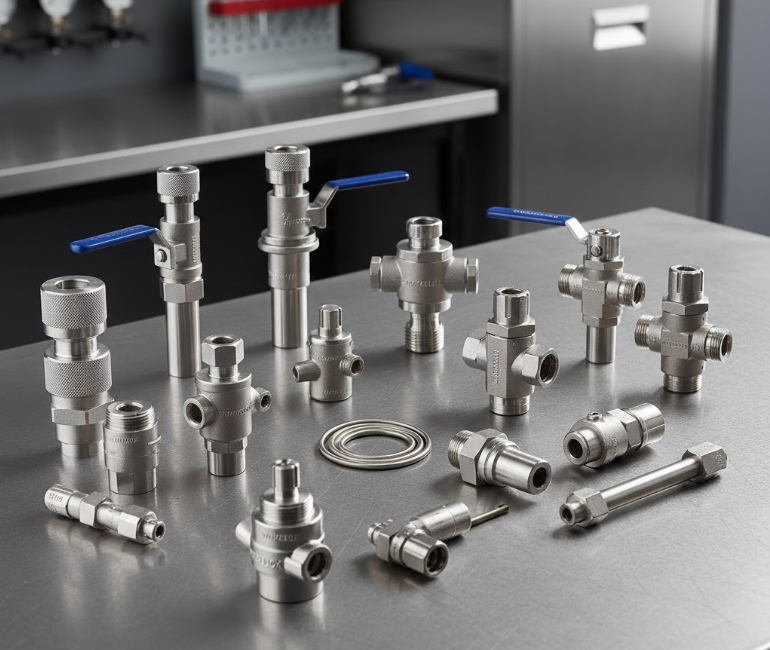
Swagelok fittings are acknowledged throughout industrial applications for their unparalleled reliability and precision function. These critical components are found in fluid and gas systems where dependable flow control, leakage prevention, and ease of installation are essential. Whether you are designing a new system, upgrading existing infrastructure, or troubleshooting complex assemblies, understanding the full scope of Swagelok fittings and their capabilities can transform performance outcomes. In this comprehensive guide to Swagelok fittings, we explore their features, applications, installation practices, material options, and industry best practices. This article draws upon professional expertise, real-world examples, and technical insights to help you make informed choices that ensure peak functionality, safety, and long-term efficiency.
What Defines Swagelok Fittings and Why They Matter
Swagelok fittings are precision-engineered connectors used to join, adapt, and control tubes and pipes in fluid systems. Characterized by their robust design and reliable sealing mechanism, these fittings help prevent leaks under various temperature and pressure conditions, contributing to system integrity and safety. Unlike standard compression fittings, Swagelok fittings employ a unique double-ferrule design that secures tubing with exceptional grip and sealing performance. This sets them apart in industries such as oil and gas, petrochemical, semiconductor manufacturing, and pharmaceutical processes where even minor leaks can lead to significant safety hazards or costly downtime.
The broader category of Swagelok tube fittings includes connectors, adapters, valves, and other components made to stringent tolerances. They allow engineers and technicians to build systems capable of handling critical fluids and gases with confidence. The dependability of Swagelok fittings is directly tied to the company’s reputation for manufacturing consistency, quality control, and ongoing research into product performance under extreme conditions.
Also Read:E Rules A Complete Guide to Exponential Rules in Mathematics
The Engineering Behind Swagelok Fittings
Understanding what makes Swagelok fittings superior begins with the engineering principles behind their design. The double-ferrule system consists of a front ferrule and a back ferrule. The front ferrule creates a tight seal against the tube body and fitting, while the back ferrule provides support and prevents pullout. When a Swagelok fitting is tightened, these ferrules compress against the tube and fitting body, creating mechanical grip and sealing surfaces that resist vibration, pressure spikes, and temperature fluctuations.
Swagelok fittings are also designed with consistent thread quality and surface finishes that promote repeatable performance. The precision machining of each component ensures a consistent fit that minimizes the risk of misalignment or improper seating during assembly. This meticulous attention to detail is key to why many engineers prefer Swagelok fittings for critical applications.
Material Selection: Matching Fittings to Application Needs
Material choice is vital to the successful application of Swagelok fittings. These components are available in a range of materials including stainless steel, brass, carbon steel, and exotic alloys. Stainless steel is a preferred choice for corrosive environments or where cleanliness is paramount, such as pharmaceutical or food processing applications. Brass fittings are often selected for lower-pressure systems or where cost considerations are prioritized over extreme performance.
The right material selection ensures not only compatibility with the process fluid but also longevity of service life. For example, stainless steel Swagelok fittings resist rust and degradation in damp or high-humidity environments. When dealing with corrosive chemicals or saline environments, exotic alloys can provide resilience that prevents premature failure. Selecting materials that match the operating environment is essential to prevent costly system breakdowns and ensure a safe work environment.
Where Swagelok Fittings Are Used: Industry Examples
Swagelok fittings find wide applications across numerous industries. In the oil and gas sector, these fittings are used in instrumentation systems that monitor pressure, temperature, and flow. Their ability to maintain leak-tight performance under high pressure and vibration makes them indispensable in drilling rigs and refining systems. In semiconductor manufacturing, Swagelok fittings are chosen for ultra-high-purity gas delivery systems where contamination must be absolutely minimized.
Pharmaceutical and biotechnology processes also rely on Swagelok fittings to maintain sterile and controlled environments. Their smooth surfaces and high-quality materials prevent contamination and facilitate cleaning. Water treatment and power generation facilities utilize these fittings in control systems and sampling lines where reliability directly influences operational efficiency.
The aerospace industry also makes extensive use of Swagelok fittings for fuel systems, hydraulic lines, and control systems. The demands of flight operations require components that can handle extreme thermal cycles and vibration. Swagelok fittings have demonstrated performance in these challenging settings, contributing to safer and more dependable aerospace systems.
Installation Techniques That Ensure Optimal Performance
Proper installation of Swagelok fittings is crucial to achieving the leak-tight performance they are known for. Before assembly, system designers or technicians should ensure that tubing ends are cut square and free of burrs. Surface imperfections can compromise the sealing surfaces and lead to potential leaks. Using a dedicated tubing cutter and deburring tool is part of professional installation practice.
During assembly, the tubing should be inserted fully into the fitting until it bottoms out against the internal shoulder. A recommended practice is marking the tube to indicate the proper insertion depth before connection. This ensures consistent engagement for a secure seal. When the nut is threaded onto the fitting body, hand-tightening should be followed by a precise wrench turn. Swagelok provides installation guidelines that detail the recommended number of wrench turns beyond finger-tight, which vary by tube size and fitting type.
After assembly, pressure testing the system confirms the integrity of the connections. Leak detection methods can include pressure decay testing or using a certified leak detection fluid. Ensuring each fitting performs as expected before full system operation reduces the risk of in-service leaks that could disrupt production or pose safety concerns.
Also Read:4 AWG Wire A Complete Guide to Specifications, Ampacity, and Applications
Common Challenges and How to Avoid Them
Even with high-quality components like Swagelok fittings, challenges can arise if industry best practices are not followed. One common issue is overtightening fittings, which can distort the ferrules or damage the tubing. While it may seem counterintuitive, turning the nut too far can compromise the sealing mechanism rather than improve it. Following the manufacturer’s torque or turn recommendations is essential for proper assembly.
Incorrect tubing preparation can also lead to installation issues. Tubes that are not cut squarely or are left with burrs create uneven contact surfaces that inhibit a good seal. This can lead to leaks under pressure or reduced mechanical grip. Proper training of technicians on the importance of precise cutting and cleaning helps prevent these failures.
Another challenge arises when incompatible materials are selected for an application. For example, using brass fittings in high-temperature or highly corrosive environments can result in premature wear or corrosion. Engineers should conduct a thorough assessment of operating conditions including pressure, temperature, and chemical exposure before selecting fitting material.
Performance Under Pressure: How Swagelok Fittings Hold Up
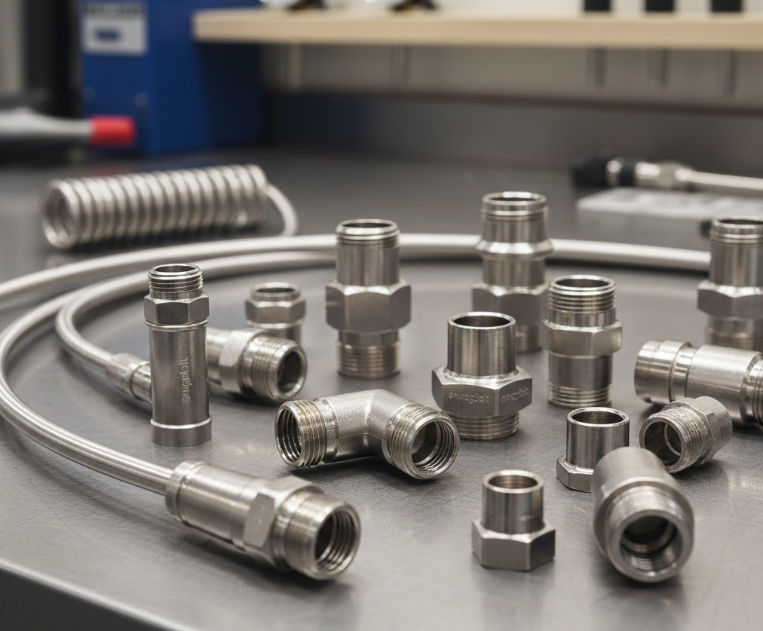
One of the hallmarks of Swagelok fittings is their exceptional performance under high pressure. These fittings are engineered to handle pressures far exceeding many standard compression fittings. This makes them ideal for use in high-pressure instrumentation, hydraulic systems, and gas distribution networks. The double-ferrule design maintains a secure grip that prevents slippage and leaks even when subjected to pressure fluctuations.
In addition to high-pressure capability, Swagelok fittings maintain performance across a broad temperature range. This makes them suitable for systems that experience extreme cold or heat, such as cryogenic applications or high-temperature chemical processes. The material selection and design engineering ensure that thermal expansion and contraction have minimal effect on sealing performance.
Real-world testing and documented performance data support Swagelok’s reputation. Engineers rely on manufacturer specifications and certifications that validate a fitting’s ability to meet or exceed system requirements. Choosing components backed by rigorous testing and quality control contributes to confidence in system reliability.
Understanding LSI Keywords That Relate to Swagelok Fittings
When discussing Swagelok fittings, it is helpful to understand semantically related terms that frequently appear in the context of fluid system design. These include fluid connectors, tube adapters, compression fittings, instrumentation components, high-purity fittings, leak-tight fittings, and process control valves. Understanding these related concepts can broaden design thinking and clarify how Swagelok fittings integrate into larger system architectures.
For instance, compression fittings refer to a broader category of fittings that create a seal by compressing a ferrule onto tubing. Swagelok’s double-ferrule system is a specialized form of compression fitting. High-purity fittings are a term used in industries where contamination control is critical. Swagelok’s stainless steel and cleanable surfaces align with the high-purity requirements of semiconductor and pharmaceutical processes.
Economic Considerations: Cost Versus Value
While Swagelok fittings may carry a higher initial cost compared to commodity fittings, their value is often realized over the long term. Reliability reduces the frequency of maintenance, leak repairs, and unplanned downtime. In critical industries, the cost of a system failure can vastly outweigh the premium paid for quality components. Investing in fittings that deliver consistent performance is a strategic decision that supports operational continuity.
In addition, ease of installation and reduced need for rework translates into labor savings. Systems that are built right the first time require fewer interventions and adjustments. Over the lifecycle of a system, the combined savings in maintenance, material replacement, and labor justify the selection of premium fittings like those from Swagelok.
How to Choose the Right Swagelok Fittings for Your System
Selecting the right Swagelok fittings begins with a thorough understanding of your system’s operational environment. Consider the type of fluid or gas being transported, operating pressure and temperature ranges, and any regulatory or industry-specific requirements. Consulting manufacturer catalogs and technical data sheets helps identify which fittings meet specific criteria.
Working with experienced suppliers or engineers can also provide practical insights. They can advise on optimal configurations, material compatibility, and installation techniques. For complex systems, conducting simulations or pilot testing with selected fittings offers a preview of performance before full-scale deployment.
Training and Certification: Enhancing Technician Expertise
Experience and knowledge are crucial when working with precision components like Swagelok fittings. Many organizations participate in training programs offered by the manufacturer or authorized partners. These programs cover proper installation methods, material selection guidance, and maintenance practices. Technicians trained in these areas are more likely to achieve successful outcomes and prevent costly errors.
Certification of installation competence provides a framework for standardizing practices across teams. This ensures that all technicians adhere to a consistent methodology, which reinforces reliability and safety across all fluid system operations.
Future Trends in Fluid System Components
As technology evolves, so do the demands placed on fluid system components. Industry trends point toward smarter systems that incorporate sensors, real-time monitoring, and predictive maintenance. Swagelok fittings may increasingly interface with these digital systems through integrated sensors that detect leaks or changes in pressure. The convergence of mechanical reliability and digital health monitoring promises new levels of safety and efficiency.
Innovation in materials science may yield new alloys or coating technologies that further enhance corrosion resistance or reduce maintenance. In high-purity industries, advancements in surface treatments could improve cleanliness and reduce contamination risks. Understanding how these trends might impact future applications helps engineers design systems that are both current and future-proof.
Also Read:Viltnemnda: Norway’s Local Wildlife Management Authority Explained
Real-World Case Study: Swagelok Fittings in Action
An industrial manufacturer experienced recurring leaks in a high-pressure steam sampling system. Traditional fittings failed to maintain a consistent seal under thermal cycling and pressure surges. After transitioning to Swagelok fittings made from high-temperature stainless steel and adhering to precise installation protocols, leaks were eliminated. This resolved safety concerns, reduced maintenance shutdowns, and improved overall system performance.
The success of this transition was not simply due to swapping components. It involved careful evaluation of material compatibility, proper installation training for technicians, and adherence to manufacturer-recommended assembly procedures. The lesson from this case underscores how Swagelok fittings, when selected and installed correctly, can solve persistent system challenges.
Environmental and Safety Considerations
Swagelok fittings contribute to environmental protection by minimizing leaks that release hazardous fluids or gases. In industries where emissions are regulated, leak-tight systems help companies comply with environmental standards and avoid fines. Safe fluid containment also reduces the risk of worker exposure to dangerous substances.
Safety extends beyond leak prevention. Selecting materials that can withstand fire exposure, temperature extremes, and corrosive conditions protects both equipment and personnel. A well-designed fluid system with appropriate fittings enhances the overall safety profile of industrial operations.
Maintenance Practices for Long-Term Reliability
Routine inspections and preventive maintenance help ensure that Swagelok fittings continue performing as expected. Visual checks for signs of wear or corrosion can identify potential issues before they escalate. During scheduled downtimes, technicians should verify that fittings remain secure and free of degradation.
Cleaning protocols may be necessary in industries where contamination is a concern. Proper cleaning techniques preserve surface integrity and prevent buildup that could compromise sealing performance. Documenting maintenance actions creates a historical record that supports long-term system management and decision-making.
Conclusion
Swagelok fittings represent a cornerstone technology in the design and operation of high-performance fluid and gas systems. Their precision engineering, reliable sealing capabilities, and material versatility make them a trusted choice across industries that demand leak-tight connections and durable components. From understanding the engineering principles behind double-ferrule designs to selecting materials that match application needs, knowledge is key to leveraging the full benefits of Swagelok fittings.
By implementing proper installation techniques, prioritizing technician training, and aligning selection with operational requirements, engineers and technicians can build systems that deliver sustained performance and safety. As industrial demands evolve, Swagelok fittings continue to serve as fundamental building blocks that contribute to operational excellence, regulatory compliance, and environmental stewardship.
FAQs
What makes Swagelok fittings different from standard compression fittings?
Swagelok fittings use a double-ferrule design that provides enhanced sealing and grip compared to single-feed compression fittings. This design increases reliability under pressure and vibration.
Can I reuse Swagelok fittings after disassembly?
Reusing Swagelok fittings depends on installation history and condition. While some components may be reused if undamaged, manufacturer guidelines should always be followed to ensure performance.
What materials are available for Swagelok fittings?
Swagelok fittings are offered in materials including stainless steel, brass, carbon steel, and exotic alloys such as Hastelloy or Inconel, allowing selection based on corrosion resistance and temperature requirements.
Are Swagelok fittings suitable for high-purity applications?
Yes, Swagelok fittings are widely used in high-purity environments like semiconductor manufacturing due to their clean surfaces and consistent sealing performance.
How can I ensure a leak-tight installation?
Ensure tubing is cut square without burrs, insert tubes fully into fittings, follow manufacturer torque recommendations, and conduct pressure testing to verify leak integrity.
For more updates visit: blogify News