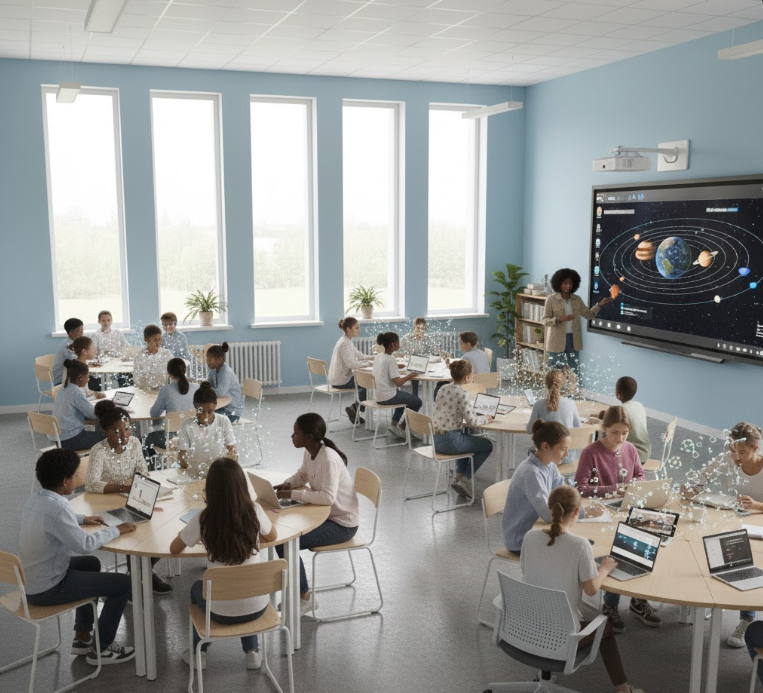
Education is evolving faster than ever before. Digital transformation, artificial intelligence, personalized instruction, and immersive technologies are reshaping how students learn and how teachers teach. At the center of this evolution stands the concept of classroom 30x—a forward-thinking model that multiplies engagement, accessibility, and outcomes through smart integration of technology and pedagogy.
Classroom 30x is more than a digital classroom. It represents a tenfold or even thirtyfold amplification of student engagement, instructional efficiency, collaboration, and learning outcomes. By combining advanced educational technology, adaptive learning systems, and flexible learning spaces, classroom 30x transforms traditional environments into high-performance ecosystems designed for the 21st century.
This in-depth guide explores what classroom 30x truly means, how it works, its core technologies, measurable benefits, real-world applications, and actionable steps to implement it effectively. If you are an educator, administrator, policymaker, or EdTech enthusiast, this article will provide comprehensive insights grounded in best practices and research-driven strategies.
Understanding Classroom 30x in Modern Education
Classroom 30x is built on the idea that traditional learning models cannot meet the demands of modern students. Today’s learners require digital literacy, critical thinking, creativity, collaboration skills, and global awareness. A conventional lecture-based classroom often limits interaction and personalized growth.
In contrast, classroom 30x leverages:
Smart learning technologies
Cloud-based collaboration platforms
Artificial intelligence-driven assessment
Interactive displays and immersive tools
Flexible seating and adaptive learning design
Rather than replacing teachers, classroom 30x enhances their capabilities. Teachers become facilitators, mentors, and learning architects who guide students through data-informed and student-centered experiences.
Also Read:Pink and Marble Design Guide for Modern Interiors
Research from global education organizations consistently shows that technology-enhanced instruction increases engagement and improves retention when implemented strategically. However, technology alone does not create transformation. Classroom 30x integrates pedagogy, digital tools, and human-centered design into a cohesive framework.
The Core Pillars of Classroom 30x
Intelligent Technology Integration
Classroom 30x relies on smart technology that supports teaching rather than distracting from it. Interactive whiteboards, AI-powered learning platforms, virtual labs, and digital assessment systems enable real-time feedback and personalized pathways.
Adaptive learning software tracks student progress and adjusts content difficulty automatically. This ensures that advanced learners remain challenged while struggling students receive targeted support.
Student-Centered Learning Design
In classroom 30x, students actively participate in knowledge creation. Project-based learning, inquiry-based exploration, and collaborative problem-solving replace passive note-taking. Learning becomes dynamic and experiential.
Flexible classroom layouts allow group collaboration, individual focus, and digital interaction without rigid seating constraints. This spatial transformation supports different learning styles and fosters creativity.
Data-Driven Decision Making
Modern educational analytics provide actionable insights into student performance. Classroom 30x uses dashboards and learning management systems to track attendance, engagement, comprehension, and skill development.
Teachers can identify gaps early and intervene with precision. Administrators can evaluate curriculum effectiveness based on real data rather than assumptions.
Seamless Connectivity and Cloud Access
Cloud-based platforms ensure that learning extends beyond physical walls. Students can access materials, assignments, and discussions from anywhere. This hybrid capability proved essential during global disruptions such as the COVID-19 pandemic and continues to support blended learning models.
Also Read:Đeman The Artistic Journey of a Rising Vietnamese Music Voice
How Classroom 30x Enhances Student Engagement
Engagement is the foundation of effective education. Classroom 30x multiplies engagement through interactivity and personalization.
Interactive simulations in science allow students to conduct virtual experiments safely. Gamified learning platforms introduce rewards and challenges that stimulate motivation. Collaborative tools enable peer feedback and global interaction.
Neuroscience research confirms that interactive and multisensory experiences increase retention rates. When learners actively participate, they process information more deeply. Classroom 30x leverages this principle by replacing static instruction with immersive engagement.
Moreover, personalized learning pathways ensure students feel seen and supported. When learners progress at their own pace, frustration decreases and confidence grows.
The Role of Artificial Intelligence in Classroom 30x
Artificial intelligence plays a transformative role in classroom 30x environments. AI-driven systems analyze patterns in student performance and recommend tailored resources. Automated grading tools reduce administrative burden, allowing teachers to focus on mentoring.
Predictive analytics can identify students at risk of falling behind. Early alerts enable timely intervention, improving retention and academic outcomes.
Chat-based tutoring assistants provide instant clarification outside school hours. This continuous support system fosters independent learning while maintaining teacher oversight.
Importantly, ethical implementation remains essential. Classroom 30x frameworks emphasize data privacy, transparency, and equitable access to technology.
Digital Collaboration and Global Learning
One defining feature of classroom 30x is global connectivity. Students can collaborate with peers across different countries, cultures, and disciplines. This exposure builds cultural awareness and communication skills.
Video conferencing tools support guest lectures from industry experts. Cloud-based project management platforms facilitate group assignments. Shared documents allow real-time co-creation of knowledge.
Global collaboration prepares learners for modern workplaces, where remote teamwork and cross-cultural communication are standard.
Classroom 30x and Hybrid Learning Models
Hybrid learning combines in-person and online instruction. Classroom 30x enables seamless transitions between these modes. Lessons can be recorded and stored in learning management systems. Assignments can be submitted digitally. Feedback can be delivered asynchronously.
This flexibility benefits diverse learners, including working students, individuals with health considerations, and geographically remote participants.
Also Read:Xenoblade Chronicles X Definitive Edition XE Dom Jet Black Crest The Complete In-Depth Guide
Blended learning models also encourage self-discipline and time management skills, essential competencies for higher education and professional success.
Transforming Physical Learning Spaces
The physical design of a classroom significantly influences learning outcomes. Classroom 30x environments prioritize flexibility and adaptability.
Movable furniture allows rapid reconfiguration for discussions, presentations, or group projects. Acoustic enhancements reduce distractions. Integrated charging stations and wireless connectivity support digital tools.
Lighting and ergonomic design improve comfort and focus. When physical space aligns with pedagogical goals, learning efficiency increases.
Teacher Empowerment in Classroom 30x
Contrary to misconceptions, classroom 30x does not diminish the teacher’s role. Instead, it amplifies teacher impact.
Professional development programs train educators to integrate digital tools effectively. Teachers learn to interpret learning analytics and design personalized instruction strategies.
With administrative tasks automated, educators can devote more time to mentorship, creativity, and emotional support.
Research consistently demonstrates that teacher quality remains the most influential school-based factor in student success. Classroom 30x enhances that influence through technological support.
Measurable Benefits of Classroom 30x
Institutions that adopt classroom 30x principles often report measurable improvements in student engagement and achievement.
Higher participation rates emerge due to interactive content. Dropout rates decline when predictive analytics identify at-risk students early. Test scores improve through adaptive learning support.
Digital literacy skills increase significantly, preparing students for technology-driven careers. Collaboration and communication competencies strengthen through global interaction.
Return on investment becomes evident when improved outcomes align with institutional goals and workforce readiness standards.
Equity and Accessibility in Classroom 30x
One major challenge in digital transformation is ensuring equitable access. Classroom 30x emphasizes inclusive design.
Assistive technologies support students with disabilities. Closed captions and screen readers enhance accessibility. Multilingual interfaces accommodate diverse populations.
Affordable device initiatives and community partnerships help bridge the digital divide. Equity must remain central to any classroom 30x implementation strategy.
Implementation Strategy for Schools and Institutions
Successful adoption of classroom 30x requires strategic planning rather than rapid, unstructured deployment.
Institutions begin by assessing current infrastructure and identifying gaps. Stakeholder engagement ensures buy-in from teachers, students, and parents. Clear objectives align technology investments with educational goals.
Pilot programs allow testing and refinement before large-scale implementation. Continuous evaluation ensures sustainable improvement.
Budget allocation must consider hardware, software, training, and maintenance. Long-term planning prevents resource wastage and maximizes impact.
Classroom 30x in Higher Education and Corporate Training
The principles of classroom 30x extend beyond K-12 settings. Universities adopt smart lecture halls, AI tutoring systems, and collaborative research platforms.
Corporate training environments use immersive simulations and data-driven skill tracking. Continuous learning ecosystems align workforce development with rapidly changing industry demands.
As remote work expands globally, classroom 30x models support professional upskilling and lifelong learning initiatives.
Addressing Common Challenges
Technology adoption often encounters resistance. Concerns about screen time, data privacy, and teacher readiness must be addressed transparently.
Clear communication and professional development reduce anxiety. Policies governing data protection ensure compliance with international standards. Balanced implementation strategies maintain healthy screen-time practices.
Sustainability also matters. Institutions must consider energy efficiency and environmental impact when selecting hardware solutions.
Future Trends Shaping Classroom 30x
Emerging technologies will continue to evolve classroom 30x environments.
Virtual reality and augmented reality create immersive simulations for science, history, and vocational training. Blockchain may secure academic credentials. Advanced AI systems will offer deeper personalization.
Internet of Things devices may optimize lighting, temperature, and resource management automatically.
As these innovations mature, classroom 30x will expand its capabilities while maintaining human-centered values.
Why Classroom 30x Matters Today
The modern workforce demands adaptability, creativity, and digital fluency. Educational systems must prepare students accordingly.
Classroom 30x aligns academic learning with real-world expectations. It fosters collaboration, critical thinking, and lifelong learning habits.
Global competitiveness increasingly depends on innovation-driven education models. Institutions that embrace classroom 30x position themselves as leaders in academic excellence and technological advancement.
Conclusion
Classroom 30x represents a transformative vision for education. By integrating smart technology, data-driven insights, student-centered design, and global collaboration, it multiplies learning impact far beyond traditional methods.
Successful implementation requires thoughtful planning, professional development, and a commitment to equity. When executed effectively, classroom 30x empowers educators, engages students, and prepares learners for a rapidly changing world.
As education continues to evolve, classroom 30x stands as a blueprint for scalable, sustainable, and future-ready learning environments.
FAQs
What is classroom 30x in simple terms?
Classroom 30x is an advanced educational model that integrates smart technology, personalized learning, and flexible design to significantly enhance student engagement and outcomes.
Is classroom 30x only for digital schools?
No. Traditional schools can gradually adopt classroom 30x principles through blended learning tools, interactive technologies, and data-driven strategies.
Does classroom 30x replace teachers?
Absolutely not. It enhances teacher effectiveness by automating administrative tasks and providing real-time learning insights.
Is classroom 30x expensive to implement?
Costs vary depending on scale. Strategic planning and phased deployment help institutions manage budgets effectively while maximizing return on investment.
For more updates visit: blogify News