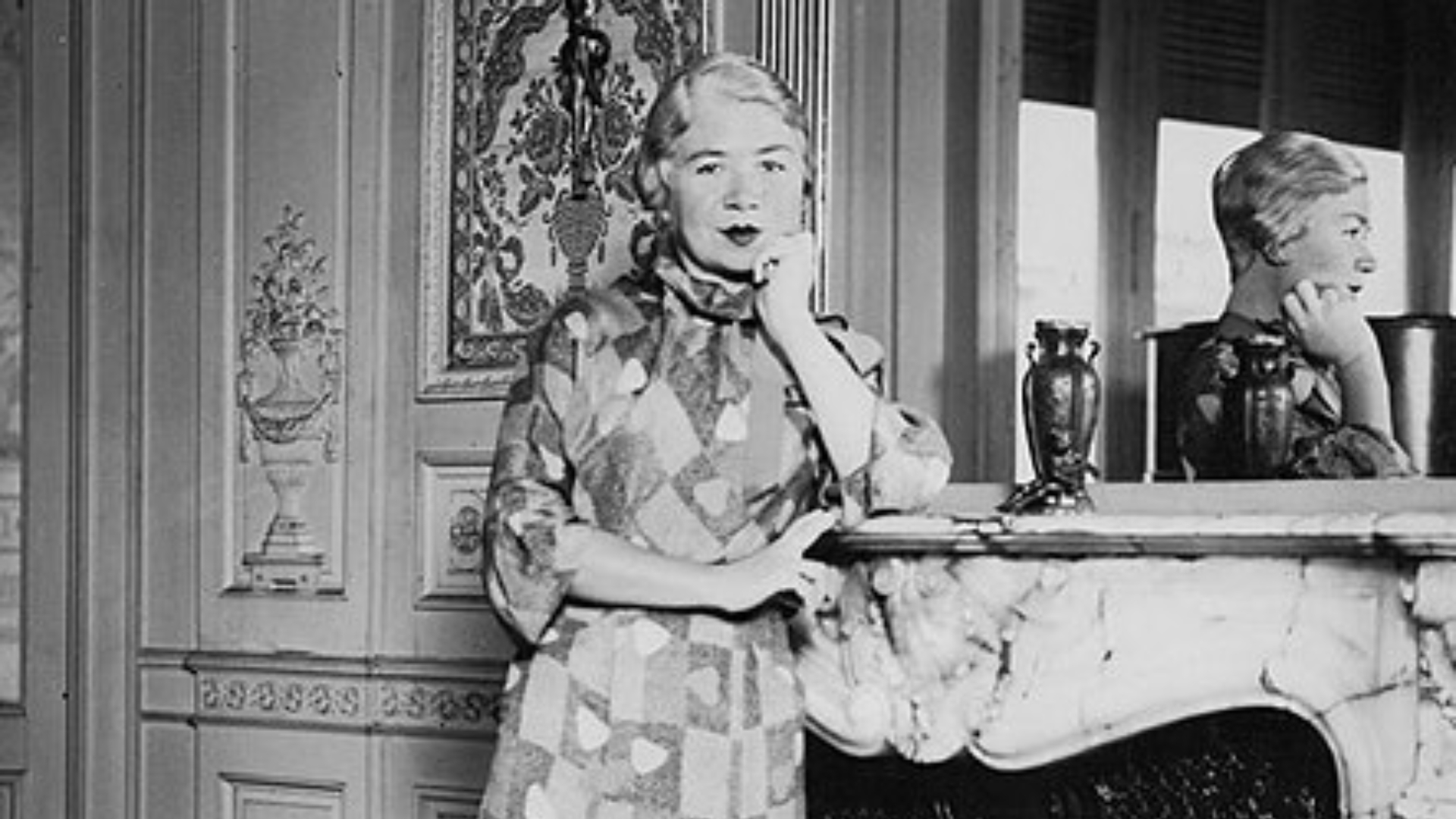
The phrase alfonsina storni estilo y formas captures far more than a technical analysis of verse. It opens a window into the emotional intensity, feminist consciousness, and formal experimentation that defined one of the most influential voices in Latin American literature. Alfonsina Storni remains a central figure in the evolution of early twentieth-century poetry, especially within the currents of modernismo and postmodernismo in the Spanish-speaking world.
Understanding her style and forms requires more than identifying rhyme schemes or metrical patterns. It involves tracing how she reshaped poetic conventions to express autonomy, vulnerability, rebellion, and introspection. Her writing emerged at a time when women’s voices were often marginalized in literary circles, and yet she transformed the poetic landscape with a tone that was at once lyrical and confrontational. This article offers an in-depth, research-based analysis of her stylistic evolution, formal techniques, thematic concerns, and enduring legacy.
Historical and Literary Context
To grasp alfonsina storni estilo y formas, it is essential to situate her within the cultural and literary movements of her time. Born in Switzerland and raised in Argentina, Storni matured during the height of modernismo, a movement associated with aesthetic refinement, symbolism, and musicality. Modernismo, led by figures such as Rubén Darío, emphasized sensory imagery, cosmopolitan references, and elaborate poetic structures.
However, Storni’s voice diverged from the ornamental tendencies of early modernismo. While she inherited its musicality and attention to form, she gradually infused her poetry with psychological depth and social critique. Her work reflects a transitional moment between late modernismo and emerging avant-garde tendencies in Argentina, particularly in Buenos Aires, where literary debates were reshaping cultural identity.
Also Read:Houston Rockets vs Phoenix Suns Match Player Stats Complete Performance Breakdown
The early twentieth century in Argentina was marked by urbanization, shifts in gender roles, and intellectual ferment. Women were entering public discourse in unprecedented ways. Storni’s poetry became a vehicle through which these social transformations were articulated, questioned, and reimagined.
Evolution of Alfonsina Storni’s Poetic Style
Alfonsina storni estilo y formas cannot be confined to a single phase. Her poetic career evolved significantly across her published collections, revealing shifts in tone, structure, and thematic intensity.
Early Phase: Romantic and Modernista Influences
In her early works, Storni embraced traditional meter and rhyme. Sonnets, regular stanzas, and musical cadences characterize this stage. Yet even in these early texts, there is a subtle subversion of conventional gender roles.
She employed classic Spanish forms such as the sonnet but reoriented them toward female subjectivity. Instead of presenting the woman as an object of male desire, she wrote from the interior consciousness of a woman negotiating love and autonomy. The tension between adherence to formal structure and emotional defiance defines this early style.
Her diction during this period remains lyrical and refined, but her voice carries an undercurrent of irony. Critics frequently note how she manipulates romantic imagery only to destabilize it through sharp commentary.
Middle Phase: Feminist Assertion and Structural Flexibility
As her career progressed, Storni began loosening her formal constraints. Her verses grew more direct, and her tone sharpened. The modernista ornamentation gave way to a clearer, more assertive language.
This stage marks a decisive shift in alfonsina storni estilo y formas. She experimented with freer rhythms and irregular stanzas. Although she did not entirely abandon meter, she allowed emotional intensity to dictate structure. Her poetry addressed motherhood, societal expectations, and the double standards imposed on women.
During this period, her feminist stance became unmistakable. She critiqued patriarchal norms not through abstract argument but through personal, intimate reflection. The poetic form itself mirrors this rebellion. As she challenges rigid social codes, she also relaxes rigid poetic conventions.
Late Phase: Existential Depth and Formal Innovation
In her later works, particularly those leading up to her death in 1938, Storni’s poetry displays increasing existential awareness. The language becomes stripped down, sometimes stark. She moves closer to free verse, anticipating modernist experimentation that would dominate later decades.
Her final poems reveal a mature integration of form and content. Rhythm becomes internal rather than externally imposed. Imagery intensifies, often invoking nature, sea, and solitude. The formal choices align closely with emotional states, demonstrating a sophisticated unity between structure and meaning.
Thematic Foundations of Her Style
Alfonsina storni estilo y formas are inseparable from her recurring themes. Form serves content, and her structural decisions reflect her philosophical concerns.
Feminism and Female Identity
Storni is widely recognized as a pioneering feminist voice in Latin American poetry. Her poems challenge romantic idealization and expose inequalities embedded in relationships. She reclaims female desire and articulates frustration with societal hypocrisy.
Also Read:Scepter 6932L Flo N’ Go Replacement Pump Complete Buyer and Maintenance Guide
Unlike purely polemical writing, her poetry integrates critique into lyrical expression. The balance between emotional nuance and critical commentary exemplifies her stylistic uniqueness. The rhythmic patterns often mirror emotional tension, while abrupt line breaks emphasize defiance or vulnerability.
Love, Disillusionment, and Irony
Romantic love in Storni’s poetry is rarely idealized. Instead, it becomes a site of negotiation and self-discovery. She uses irony as a stylistic tool, sometimes adopting a seemingly submissive tone only to undermine it with a final twist.
Her forms often support this irony. A carefully structured stanza may culminate in an unexpected conclusion, revealing the fragility of conventional expectations.
Nature and Symbolism
Nature functions symbolically in her later poetry. The sea, in particular, appears as a powerful motif associated with liberation and dissolution. The natural world becomes a metaphor for inner states.
Her imagery is precise yet evocative. Rather than ornate decoration, she employs symbolism to deepen emotional resonance. This restraint marks her departure from excessive modernista embellishment.
Formal Characteristics and Poetic Techniques
An analysis of alfonsina storni estilo y formas must address specific technical elements.
Her early adherence to traditional metrics demonstrates mastery of classical Spanish verse. She employed hendecasyllabic lines and consonant rhyme schemes typical of the sonnet. These formal choices positioned her within established literary traditions, lending authority to her voice.
Gradually, she introduced irregular rhythms. Enjambment became more frequent, creating momentum and conversational fluidity. The shift toward free verse allowed greater psychological authenticity.
Her syntax also evolves across her career. Early poems exhibit balanced, symmetrical sentences, while later works feature shorter, sharper constructions. This transformation parallels her thematic intensification.
Comparison with Contemporary Poets
Placing Storni alongside contemporaries clarifies her distinctiveness. While Rubén Darío cultivated aesthetic refinement and exotic imagery, Storni directed poetic craft toward social critique. Compared with other Argentine writers of her time, her voice stands out for its emotional candor and gender perspective.
Her work prefigures later feminist writers who would openly challenge patriarchal literary traditions. Yet she achieved this without abandoning poetic elegance. This dual commitment to beauty and critique defines alfonsina storni estilo y formas.
Linguistic Innovation and Tone
Storni’s language balances lyricism with conversational immediacy. She often addresses a second-person interlocutor, creating intimacy. Her tone shifts fluidly between tenderness and sarcasm.
The controlled modulation of tone demonstrates technical sophistication. Rather than dramatic excess, she favors subtle emotional gradation. The effect is both accessible and profound.
Her diction is rarely archaic or overly ornate. Even when employing traditional forms, she grounds her poems in lived experience. This clarity contributes to her lasting appeal.
Psychological Depth and Modern Sensibility
Storni’s poetry reflects early twentieth-century psychological awareness. She explores interior conflict with remarkable honesty. The fragmentation of self, the tension between social roles and authentic identity, and the search for autonomy all surface in her work.
This psychological focus aligns her with broader modernist currents. Yet her perspective remains uniquely personal. She writes not as an abstract observer but as an engaged participant in social transformation.
Reception and Legacy
Alfonsina Storni’s impact extends far beyond her lifetime. Her tragic death in 1938 cemented her mythic status, but her enduring relevance rests on literary merit rather than biography alone.
Her influence resonates in Latin American feminist literature and contemporary poetic experimentation. Scholars frequently cite her as a transitional figure who bridged modernismo and later avant-garde tendencies.
Today, alfonsina storni estilo y formas are studied in universities across the Spanish-speaking world and beyond. Academic research highlights her technical innovation, thematic courage, and contribution to women’s literary history.
Actionable Insights for Literary Study
Readers and students seeking to analyze her work can benefit from focusing on the interplay between structure and theme. Observing how stanza length shifts in moments of emotional tension reveals her intentional craftsmanship.
Close reading of imagery, particularly recurring natural symbols, deepens interpretive understanding. Comparing early and late collections illuminates her stylistic evolution.
For educators, integrating historical context enhances appreciation of her feminist stance. Recognizing the constraints she confronted clarifies the boldness of her formal experimentation.
The Enduring Relevance of Alfonsina Storni Estilo y Formas
The continued study of alfonsina storni estilo y formas reflects more than academic curiosity. It speaks to the timeless resonance of her exploration of autonomy, identity, and artistic freedom.
In an era still grappling with gender inequality, her poetry feels strikingly contemporary. Her ability to fuse emotional authenticity with formal precision offers a model for writers seeking both beauty and truth.
Her stylistic journey from structured modernismo to freer expression mirrors broader cultural shifts. This adaptability underscores her importance within literary history.
Conclusion
Alfonsina storni estilo y formas encompass a dynamic evolution shaped by historical context, personal experience, and artistic ambition. From her early mastery of classical forms to her later embrace of freer structures, Storni consistently aligned form with emotional and ideological purpose.
Her poetry stands at the crossroads of modernismo, feminism, and psychological introspection. She redefined the possibilities of poetic voice in Latin America, proving that technical refinement and social critique can coexist.
The lasting significance of her work lies not only in its historical role but in its continued capacity to inspire reflection. By examining her style and forms, readers gain insight into a poet who transformed personal struggle into universal art.
FAQs
What does “alfonsina storni estilo y formas” mean?
The phrase refers to the unique literary style and formal techniques of Alfonsina Storni. It encompasses her use of rhythm, meter, rhyme, imagery, and tone, as well as how her poetic structures reflect her thematic concerns, particularly feminism, love, and social critique.
Which literary movements influenced Storni’s style?
Storni was influenced by modernismo, a movement emphasizing musicality, refined imagery, and symbolism. Over time, she blended these influences with avant-garde experimentation and emerging feminist perspectives, creating a distinctive voice in Latin American poetry.
How did her style evolve throughout her career?
Her early poetry relied on classical forms, regular meter, and rhyme, reflecting traditional modernismo. In her middle phase, she incorporated freer rhythms and stronger feminist themes. Later works show existential depth, sparse language, and innovative structural choices that prioritize emotional expression over strict form.
For more updates visit: blogify News