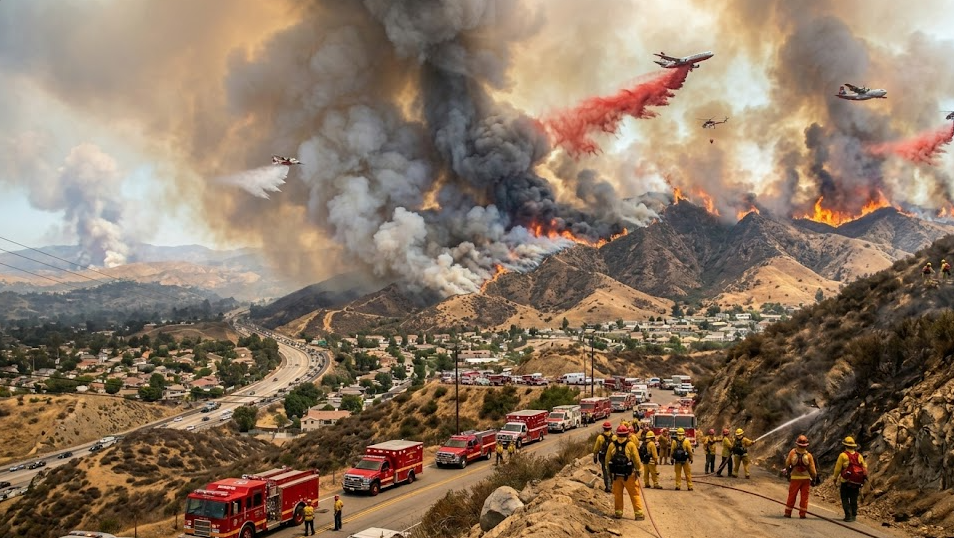
Wildfires have become an increasingly serious concern across California, and the phrase “santa clarita fire” often surfaces during peak fire seasons when dry conditions and strong winds elevate risks. Located in the northern part of Los Angeles County, Santa Clarita is particularly vulnerable due to its geography, climate, and vegetation patterns. Understanding how fires start, spread, and impact the region is essential for residents, businesses, and visitors alike.
This in-depth guide explores everything you need to know about a Santa Clarita fire, including causes, environmental factors, prevention strategies, emergency response systems, and how communities can stay safe and resilient.
Understanding the Santa Clarita Fire Landscape
Santa Clarita sits in a region characterized by hot summers, low humidity, and seasonal winds. These conditions create an environment where wildfires can ignite quickly and spread rapidly.
The surrounding hills and canyons are covered in dry brush and chaparral, which act as natural fuel. During periods of drought, vegetation becomes even more flammable, increasing the likelihood of a santa clarita fire event. In addition, the area’s proximity to major fault lines and rugged terrain can complicate firefighting efforts.
Wildfires in this region are not a new phenomenon. Historically, Southern California has experienced recurring fire seasons, but climate change and urban expansion have intensified their frequency and severity.
Also Read:Xenoblade Chronicles X Definitive Edition XE Dom Jet Black Crest The Complete In-Depth Guide
Common Causes of Santa Clarita Fire Incidents
Fires in Santa Clarita can be triggered by both natural and human-related factors. Lightning strikes are a natural cause, although they are less common compared to human activity.
Human-related causes include unattended campfires, discarded cigarettes, faulty electrical equipment, and sparks from vehicles or machinery. Power lines can also play a significant role, especially during windy conditions when they may come into contact with vegetation.
In recent years, utility-related fires have gained attention across California. High winds can damage infrastructure, leading to sparks that ignite dry vegetation. Even small ignition sources can quickly escalate into large-scale santa clarita fire emergencies.
The Role of Weather and Climate Conditions
Weather is one of the most critical factors influencing wildfire behavior. Santa Clarita experiences hot, dry summers with minimal rainfall, which dries out vegetation and creates ideal conditions for fires.
Strong seasonal winds, particularly the Santa Ana winds, can rapidly spread flames across vast areas. These winds can carry embers over long distances, igniting new fires far from the original source.
Climate change has further intensified these conditions. Rising temperatures and prolonged droughts have extended fire seasons, making santa clarita fire incidents more frequent and unpredictable.
Impact of Santa Clarita Fire on Communities
The effects of a wildfire extend far beyond the immediate flames. A santa clarita fire can have devastating consequences for homes, infrastructure, and the environment.
Residential areas near hillsides are especially at risk. Fires can destroy properties, displace families, and disrupt daily life. Evacuations are often necessary, and in severe cases, entire neighborhoods may be affected.
Air quality is another major concern. Smoke from wildfires contains harmful particles that can impact respiratory health. Schools and businesses may close temporarily, and outdoor activities become hazardous.
The economic impact can also be significant. Firefighting costs, property damage, and lost business revenue can strain local resources and affect long-term economic stability.
Environmental Consequences of Wildfires
Wildfires play a natural role in ecosystems, but large and frequent fires can cause long-term environmental damage. In Santa Clarita, repeated fire events can lead to soil erosion, loss of vegetation, and habitat destruction.
Wildlife is particularly vulnerable during a santa clarita fire. Animals may lose their habitats or be forced to migrate, disrupting local ecosystems. In some cases, endangered species are put at greater risk.
After a fire, the landscape becomes more susceptible to flooding and mudslides, especially during the rainy season. Without vegetation to stabilize the soil, heavy rains can cause significant damage.
Also read:3840 x 1240 Naruto x Boruto Ultimate Banner The Complete Ultra-Wide Guide
Fire Prevention Strategies in Santa Clarita
Preventing wildfires requires a combination of community awareness, responsible behavior, and proactive measures. Residents play a crucial role in reducing the risk of a santa clarita fire.
Maintaining defensible space around homes is one of the most effective strategies. This involves clearing dry vegetation, trimming trees, and keeping flammable materials away from structures.
Proper disposal of cigarettes, safe use of outdoor equipment, and adherence to fire restrictions are also essential. During high-risk periods, authorities may implement bans on open flames and certain activities.
Public education campaigns and community programs help raise awareness about fire safety. These initiatives encourage residents to take responsibility and stay informed about current fire conditions.

Emergency Response and Firefighting Efforts
Firefighting agencies in Santa Clarita are well-equipped to handle wildfire incidents, but the scale and intensity of fires can pose challenges. Local fire departments work closely with state and federal agencies to coordinate responses.
Advanced technology plays a significant role in managing a santa clarita fire. Drones, satellite imagery, and predictive modeling help track fire behavior and improve response strategies.
Firefighters often face difficult conditions, including steep terrain, high temperatures, and rapidly changing wind patterns. Their efforts are critical in containing fires and protecting communities.
Evacuation plans are an essential part of emergency response. Residents are encouraged to have a clear plan in place, including emergency kits and communication strategies.
How Residents Can Prepare for a Santa Clarita Fire
Preparation is key to minimizing the impact of wildfires. Residents should stay informed about fire risks and be ready to act quickly if a santa clarita fire occurs.
Creating an emergency plan involves identifying evacuation routes, preparing essential supplies, and ensuring that all family members understand what to do in an emergency.
Home hardening is another important step. Using fire-resistant materials, installing ember-resistant vents, and maintaining roofs and gutters can reduce the risk of fire damage.
Staying connected to local alerts and warning systems ensures that residents receive timely information during emergencies. Awareness and preparedness can make a significant difference in safety outcomes.
The Role of Technology in Fire Detection and Prevention
Technology has become a powerful tool in the fight against wildfires. Early detection systems can identify fires before they spread, allowing for quicker response times.
In Santa Clarita, monitoring systems use cameras, sensors, and satellite data to detect potential fire activity. These systems provide real-time information to emergency responders.
Predictive analytics also help forecast fire risks based on weather conditions, vegetation levels, and historical data. This allows authorities to take preventive measures and allocate resources effectively.
As technology continues to evolve, it will play an even greater role in reducing the impact of santa clarita fire incidents.
Also Read:Đeman The Artistic Journey of a Rising Vietnamese Music Voice
Community Resilience and Recovery
Recovering from a wildfire requires strong community support and long-term planning. After a santa clarita fire, residents often come together to rebuild and support one another.
Local organizations and government agencies provide assistance with housing, financial aid, and mental health support. Recovery efforts focus on restoring infrastructure and helping families return to normal life.
Community resilience also involves learning from past experiences. Improving building codes, enhancing emergency response systems, and promoting sustainable land management practices can reduce future risks.
Government Policies and Fire Management
Government policies play a crucial role in wildfire prevention and management. Regulations related to land use, building standards, and fire safety help reduce the risk of a santa clarita fire.
Controlled burns and vegetation management are commonly used to reduce fuel levels in high-risk areas. These practices help prevent large-scale fires by minimizing available fuel.
Collaboration between local, state, and federal agencies ensures a coordinated approach to wildfire management. Policies continue to evolve as new challenges and technologies emerge.
The Future of Wildfire Management in Santa Clarita
As wildfire risks continue to grow, innovative solutions are needed to protect communities. Research and development efforts focus on improving fire-resistant materials, enhancing detection systems, and developing sustainable land management practices.
Public awareness and education will remain essential. Encouraging responsible behavior and promoting preparedness can significantly reduce the impact of future santa clarita fire events.
Climate adaptation strategies will also play a key role. Addressing the underlying causes of increased fire risk, such as climate change, is critical for long-term solutions.
Conclusion
The threat of a santa clarita fire is a reality that residents must take seriously. With its unique combination of climate, terrain, and vegetation, Santa Clarita remains vulnerable to wildfires.
Understanding the causes, impacts, and prevention strategies is essential for staying safe. By taking proactive measures, staying informed, and supporting community efforts, individuals can help reduce risks and protect their homes and families.
Wildfires may be inevitable in this region, but their impact can be minimized through preparation, awareness, and resilience. A well-informed community is the strongest defense against the dangers of wildfire.
FAQs
What causes most Santa Clarita fire incidents?
Most fires are caused by human activity, including equipment use, discarded cigarettes, and electrical issues, although natural causes like lightning can also occur.
When is wildfire season in Santa Clarita?
Wildfire season typically peaks during late summer and fall when temperatures are high and vegetation is dry.
How can I protect my home from wildfires?
Maintaining defensible space, using fire-resistant materials, and preparing an emergency plan are key steps in protecting your property.
Are wildfires becoming more frequent in Santa Clarita?
Yes, due to climate change and prolonged drought conditions, wildfire frequency and intensity have increased in recent years.
What should I include in an emergency kit?
An emergency kit should contain water, food, medications, important documents, and essential supplies to sustain you during an evacuation.
For more updates visit: blogify News