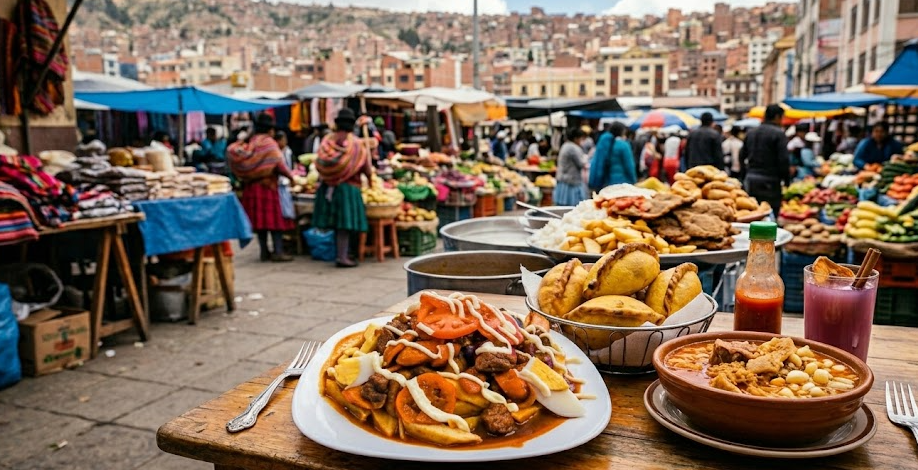
Bolivia food is a vibrant reflection of history, geography, and culture, blending indigenous traditions with Spanish influences to create a cuisine that is both diverse and deeply rooted in identity. From the high-altitude Andes to the tropical lowlands, the flavors of Bolivia offer a unique culinary experience that often surprises first-time explorers. Whether you are curious about hearty street foods, traditional home-cooked meals, or regional specialties, Bolivian cuisine delivers a rich tapestry of tastes that go far beyond expectations.
Situated in the heart of South America, Bolivia boasts a landscape that directly shapes its cuisine. Ingredients such as potatoes, quinoa, corn, and meats like llama and beef play a central role in daily meals. These staples, combined with centuries-old cooking techniques, make Bolivian cuisine one of the most authentic and underappreciated culinary traditions in the world.
The Cultural Roots of Bolivia Food
Bolivia food cannot be understood without appreciating its deep cultural origins. Long before colonial influences arrived, indigenous groups such as the Quechua and Aymara developed agricultural systems suited to the harsh Andean climate. They cultivated hundreds of potato varieties, introduced quinoa to the world, and relied on corn as a dietary staple.
When Spanish colonization began in the 16th century, new ingredients such as rice, wheat, beef, and spices were introduced. Over time, these elements blended with indigenous traditions, creating the foundation of modern Bolivian cuisine. This fusion is evident in dishes that combine native ingredients with European cooking techniques, resulting in meals that are both rustic and refined.
In cities like La Paz and Cochabamba, Bolivian cuisine has evolved into a vibrant urban culinary scene while still maintaining strong ties to its traditional roots.
Also Read:What Does E Stand for in Math?
Key Ingredients in Bolivia Food
The essence of Bolivia food lies in its ingredients, many of which are native to the region. Potatoes are perhaps the most iconic component, with Bolivia being home to thousands of varieties. These potatoes are used in soups, stews, and side dishes, often dried and preserved as chuño, a freeze-dried potato that can last for years.
Quinoa, another cornerstone of Bolivian cuisine, has gained global recognition for its nutritional value. In Bolivia, it is used in soups, salads, and even desserts, providing a nutty flavor and high protein content.
Corn is equally important and appears in various forms such as humintas, tamales, and beverages. Meat also plays a significant role, particularly beef, chicken, and pork, although traditional meats like llama remain popular in rural areas.
Spices in Bolivian cuisine are generally mild compared to other Latin American cuisines, but sauces such as llajwa, made from tomatoes and chili peppers, add a flavorful kick that enhances many dishes.
Traditional Bolivia Food Dishes You Must Try
Bolivia food is best experienced through its traditional dishes, each telling a story of regional identity and cultural heritage.
Salteñas are perhaps the most famous Bolivian street food. These baked pastries are filled with a juicy mixture of meat, potatoes, peas, and spices. What sets them apart is their slightly sweet dough and broth-like filling, making them both unique and unforgettable.
Another staple of Bolivian cuisine is silpancho, a hearty dish consisting of rice, potatoes, a breaded beef cutlet, fried eggs, and fresh salad. Originating from Cochabamba, silpancho is a perfect example of how Bolivian cuisine combines simplicity with satisfying flavors.
Pique macho is a dish designed for sharing, featuring chunks of beef, sausages, fries, onions, and spicy peppers. It is often enjoyed in social settings and reflects the communal nature of Bolivian cuisine culture.
Sopa de maní, or peanut soup, showcases the creativity of Bolivian cuisine. This rich and creamy soup combines peanuts, vegetables, and meat to create a comforting dish that is widely محبوب across the country.

Regional Diversity in Bolivia Food
Bolivia food varies significantly by region, thanks to the country’s diverse geography. In the Andean highlands, meals are hearty and designed to provide energy in cold climates. Dishes often include potatoes, grains, and meats, reflecting the agricultural practices of the region.
In contrast, the lowland areas such as Santa Cruz feature lighter dishes with tropical ingredients. Rice, yuca, and fresh fruits are more common, and flavors tend to be slightly sweeter and more aromatic.
The Amazonian region introduces even more diversity, with fish, exotic fruits, and unique herbs playing a role in local Bolivian cuisine. This regional variation ensures that the cuisine remains dynamic and endlessly interesting.
Also Read:4.7.11 Rock Paper Scissors CodeHS Complete Guide to Solving the Assignment
Street Food Culture in Bolivia
Street food is an essential part of Bolivia food culture, offering affordable and delicious meals to locals and visitors alike. Vendors line the streets early in the morning, serving freshly baked salteñas and other snacks.
Anticuchos, skewered and grilled meats, are another popular street food option. Typically made with beef heart, they are marinated in spices and served with potatoes and peanut sauce.
Empanadas and tucumanas also feature prominently in Bolivian cuisine street culture, providing quick and flavorful bites that reflect the country’s culinary creativity.
Bolivia Food and Daily Life
In Bolivia, food is more than sustenance; it is a central part of daily life and social interaction. Meals are often shared with family, and traditional recipes are passed down through generations.
Lunch is typically the largest meal of the day, often consisting of multiple courses including soup, a main dish, and sometimes dessert. This structure highlights the importance of balance and variety in Bolivia food.
Markets play a crucial role in everyday life, where fresh ingredients are purchased daily. These markets are vibrant hubs of activity and offer a glimpse into the authentic world of Bolivia food.
Beverages in Bolivia Food Culture
No exploration of Bolivia food is complete without mentioning its traditional beverages. Api is a warm, sweet drink made from corn, often enjoyed during breakfast or on cold mornings.
Chicha, a fermented corn beverage, has been consumed for centuries and holds cultural significance in many communities. It is often associated with festivals and celebrations.
Fresh fruit juices are also widely available, reflecting the country’s agricultural diversity. From papaya to passion fruit, these drinks complement the flavors of Bolivia food perfectly.
Modern Trends in Bolivia Food
While Bolivia food remains deeply traditional, modern influences are gradually shaping the culinary landscape. Restaurants in major cities are experimenting with fusion cuisine, combining traditional ingredients with contemporary techniques.
Quinoa-based dishes have gained international popularity, leading to increased interest in Bolivia food worldwide. Chefs are also focusing on sustainability and locally sourced ingredients, ensuring that traditional practices are preserved while embracing innovation.
Tourism has further contributed to the evolution of Bolivia food, as visitors seek authentic experiences and unique flavors. This growing interest is helping to elevate Bolivian cuisine on the global stage.
Also Read:How to Get Pink Petal Kosode Armor Naoe
Health and Nutrition in Bolivia Food
Bolivia food offers a range of nutritional benefits, thanks to its reliance on natural and minimally processed ingredients. Quinoa provides essential amino acids, while potatoes and corn offer energy and fiber.
However, some traditional dishes can be high in carbohydrates and fats, particularly those featuring fried components. Balancing these meals with fresh vegetables and lighter options is key to maintaining a healthy diet.
The emphasis on home-cooked meals and fresh ingredients ensures that Bolivia food remains a wholesome and nourishing choice for many families.
Experiencing Bolivia Food as a Traveler
For travelers, exploring Bolivia food is one of the most rewarding aspects of visiting the country. Local markets, street vendors, and family-run restaurants provide authentic culinary experiences that cannot be replicated elsewhere.
Trying regional specialties and engaging with local food culture offers valuable insight into the country’s traditions and way of life. Whether you are enjoying a simple salteña or a multi-course meal, Bolivia food provides a memorable journey through flavor and history.
Conclusion
Bolivia food is a rich and diverse culinary tradition that reflects the country’s history, geography, and cultural identity. From indigenous roots to modern innovations, it offers a unique blend of flavors and experiences that continue to captivate those who explore it.
With its emphasis on fresh ingredients, traditional recipes, and communal dining, Bolivia food stands as a testament to the enduring power of culture and cuisine. Whether you are a curious traveler or a food enthusiast, discovering Bolivia food is an experience that promises both depth and delight.
FAQs
What is the most popular Bolivia food?
Salteñas are widely considered the most popular Bolivia food, known for their unique combination of sweet dough and savory filling.
Is Bolivia food spicy?
Bolivia food is generally mild, but sauces like llajwa can add a spicy kick depending on personal preference.
What ingredients are commonly used in Bolivia food?
Common ingredients include potatoes, quinoa, corn, rice, and various meats such as beef and chicken.
Is Bolivia food vegetarian-friendly?
While many dishes include meat, there are vegetarian options available, especially those based on potatoes, grains, and vegetables.
Why is quinoa important in Bolivia food?
Quinoa is a traditional crop with high nutritional value and has been a staple in Bolivia food for centuries.
For more updates visit: blogify News