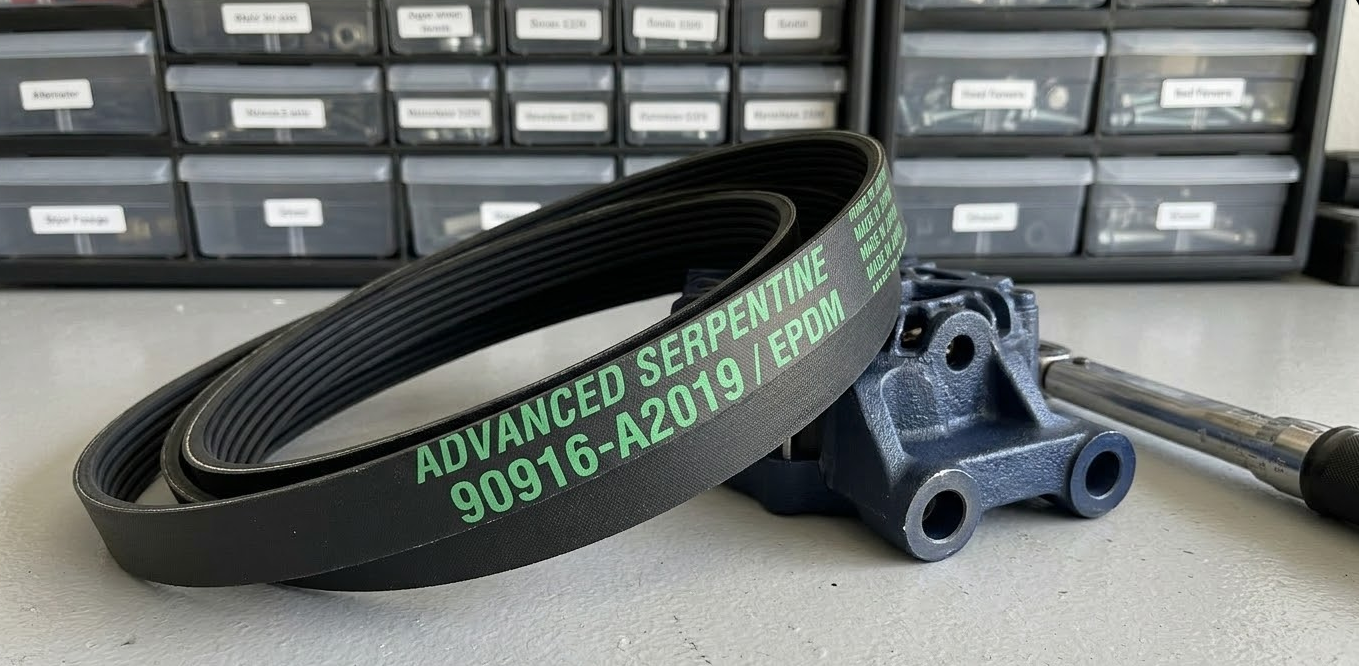
Modern vehicles rely on a complex network of components that must work together seamlessly to deliver performance, efficiency, and reliability. Among these components, the v-ribbed belt part number 90916-a2019 plays a crucial yet often overlooked role. This belt is responsible for transmitting power from the engine to several essential systems, including the alternator, air conditioning compressor, and power steering pump.
Although small compared to other engine components, a v-ribbed belt has a significant impact on overall vehicle performance. When it operates correctly, drivers enjoy smooth engine operation, proper charging of the battery, and efficient cooling systems. However, when the belt becomes worn or damaged, it can cause a range of issues that affect drivability and even lead to engine damage if ignored.
This in-depth guide explains everything you need to know about v-ribbed belt part number 90916-a2019. From its function and design to compatibility, installation, maintenance, and replacement tips, this article provides a comprehensive overview designed to help vehicle owners, mechanics, and automotive enthusiasts understand its importance.
Understanding the V-Ribbed Belt Part Number 90916-A2019
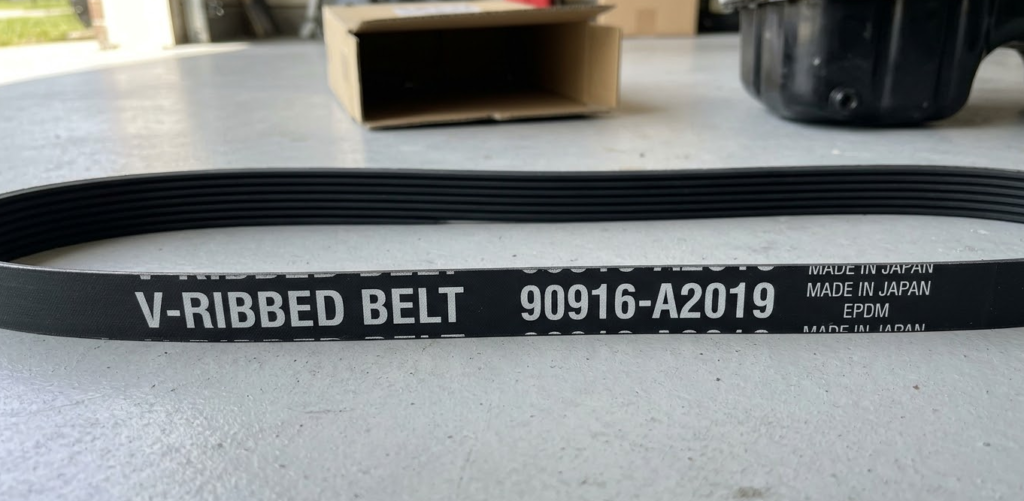
The v-ribbed belt part number 90916-a2019 is a serpentine-style belt commonly used in various vehicles to drive multiple engine accessories simultaneously. Unlike older belt systems that required separate belts for each accessory, modern engines rely on a single multi-ribbed belt to power several components.
The design of a v-ribbed belt includes multiple longitudinal ribs running along the belt’s inner surface. These ribs fit precisely into grooves on pulleys, creating friction and allowing the belt to transmit rotational force efficiently. This design provides greater flexibility, improved grip, and higher durability compared to traditional V-belts.
One key advantage of this system is improved efficiency. Because the belt wraps around multiple pulleys and distributes power across several ribs, it reduces slippage and increases overall performance. In many vehicles, the v-ribbed belt part number 90916-a2019 is responsible for driving the alternator, air conditioning compressor, water pump, and power steering pump.
The use of high-quality materials also contributes to the reliability of modern v-ribbed belts. Manufacturers typically construct them using reinforced rubber compounds with polyester or aramid fibers. These materials provide resistance to heat, oil contamination, and wear, ensuring long service life even under demanding operating conditions.
Also Read:JVC R-S33 Ohms Headphones Complete Guide to Impedance, Compatibility, and Sound Performance
Why V-Ribbed Belts Are Essential in Modern Engines
Modern engines are designed with efficiency and compactness in mind. A single serpentine belt system helps reduce the number of components while simplifying maintenance.
The v-ribbed belt part number 90916-a2019 plays a central role in this system by distributing mechanical energy from the crankshaft to auxiliary systems. When the engine rotates the crankshaft pulley, the belt transfers that rotation to other pulleys connected to vital components.
Without a functioning belt, several essential systems would immediately stop working. The alternator would fail to generate electricity, preventing the battery from charging. The power steering system could lose assistance, making steering difficult. The air conditioning compressor would stop operating, eliminating cabin cooling.
In many vehicles, the belt also drives the water pump responsible for circulating coolant through the engine. If the water pump stops, the engine can quickly overheat. This is why routine inspection and timely replacement of the belt are critical.
Automotive engineers design serpentine belts like v-ribbed belt part number 90916-a2019 to withstand high loads and continuous operation. However, even the most durable belts eventually wear out due to heat, friction, and environmental exposure.
Design and Construction of V-Ribbed Belt Part Number 90916-A2019
The design of the v-ribbed belt part number 90916-a2019 reflects decades of engineering improvements in belt-driven systems. Unlike flat belts or traditional V-belts, this type of belt combines flexibility with strong grip characteristics.
The outer layer of the belt provides structural integrity and protects internal fibers from damage. Beneath this layer lies a reinforcement section made from high-strength fibers that prevent the belt from stretching excessively during operation.
The inner surface features multiple ribs designed to match the grooves on engine pulleys. These ribs allow the belt to bend easily around small pulleys while maintaining strong traction. The ribbed design also improves heat dissipation, reducing the risk of premature failure.
Another important aspect of the belt’s construction is noise reduction. Modern v-ribbed belts are engineered to minimize vibration and squealing, which can occur when belts slip or become misaligned. Advanced rubber compounds and precision manufacturing help ensure smooth operation throughout the belt’s lifespan.
Also Read:2008 Mercury Grand Marquis A Complete Expert Guide
Vehicle Compatibility and Applications
The v-ribbed belt part number 90916-a2019 is commonly associated with vehicles that require a high-quality serpentine belt to power multiple accessories. It is often used in engines manufactured by major automotive brands known for reliability and long-term durability.
In many cases, this belt is designed to fit specific engine configurations. These configurations determine the belt’s length, number of ribs, and load capacity. Using the correct part number ensures proper alignment with pulleys and correct tension within the drive system.
Automotive parts catalogs typically list compatible models and engine variants for each belt. Mechanics and vehicle owners should always verify compatibility before purchasing or installing a replacement belt. Even small variations in length or rib count can affect performance and lead to premature wear.
The v-ribbed belt part number 90916-a2019 is often chosen because it meets strict manufacturer standards for durability and performance. These standards ensure that the belt can handle the mechanical loads generated by engine accessories without slipping or failing prematurely.
Signs That the V-Ribbed Belt Needs Replacement
A common symptom of belt wear is a squealing noise during engine startup or acceleration. This sound often indicates that the belt is slipping on the pulleys due to reduced friction or improper tension.
Visible cracks on the belt surface are another clear indication of aging. Over time, the rubber compound can dry out and develop small fissures. If these cracks become extensive, the belt may break under load.
Another sign involves glazing or shiny spots on the belt ribs. This condition occurs when excessive heat or slippage smooths the rubber surface, reducing its grip on pulleys.
Drivers may also notice reduced performance in accessories powered by the belt. For example, dimming headlights can indicate alternator issues caused by belt slippage. Difficulty steering may suggest that the power steering pump is not receiving adequate power.
Regular inspection helps identify these problems before they escalate into more serious mechanical failures.
Causes of V-Ribbed Belt Wear and Failure
Several factors contribute to the gradual deterioration of belts like the v-ribbed belt part number 90916-a2019. Heat is one of the most significant contributors. Engines operate at high temperatures, and constant exposure to heat causes rubber materials to lose elasticity over time.
Contamination from oil, coolant, or other engine fluids can also weaken the belt structure. These fluids break down rubber compounds and reduce friction between the belt and pulleys.
Misalignment of pulleys is another common cause of premature wear. When pulleys are not properly aligned, the belt experiences uneven stress across its ribs. This can lead to fraying, cracking, or rapid deterioration.
Also Read:Swagelok Fittings The Definitive Guide to Superior Fluid System Performance
Improper tension is equally problematic. A belt that is too tight may place excessive strain on accessory bearings and the belt itself. Conversely, a belt that is too loose can slip, generating heat and accelerating wear.
Environmental conditions also play a role. Dust, moisture, and temperature fluctuations contribute to long-term degradation of belt materials.
Maintenance Tips for Extending Belt Life
Vehicle owners should periodically check the belt for visible signs of damage such as cracks, fraying, or glazing. Inspecting pulleys and tensioners at the same time helps ensure that the entire belt system functions correctly.
Keeping the engine compartment clean can also prevent contamination. Oil leaks should be repaired promptly to avoid damaging the belt material.
Maintaining proper belt tension is essential. Many modern vehicles use automatic tensioners that adjust tension as the belt wears. However, these components can also fail and require replacement.
Replacing worn pulleys or bearings is another important step. A damaged pulley can quickly destroy even a brand-new belt.
Routine maintenance schedules often recommend replacing serpentine belts every sixty thousand to one hundred thousand miles, depending on vehicle usage and environmental conditions.
Installation Process for the V-Ribbed Belt
Installing the v-ribbed belt part number 90916-a2019 requires careful attention to detail. While experienced mechanics can complete the process quickly, vehicle owners should follow manufacturer guidelines to ensure proper installation.
The process begins by identifying the correct belt routing pattern. Most vehicles display a belt routing diagram inside the engine compartment, which shows how the belt wraps around each pulley.
After releasing tension from the belt tensioner, the old belt can be removed. This step should be performed carefully to avoid damaging nearby components.
The new belt must be positioned correctly along each pulley groove. Proper alignment ensures that the ribs engage fully with the pulley grooves, preventing slippage.
Once the belt is in place, the tensioner is released to apply the correct tension. The engine should then be started briefly to verify smooth operation and confirm that the belt remains properly aligned.
Benefits of Using the Correct OEM Belt
Choosing the correct belt part number is critical for long-term reliability. The v-ribbed belt part number 90916-a2019 is designed to meet precise specifications required by certain engines.
Original equipment manufacturer belts often provide better fitment and durability compared to generic alternatives. They are engineered to match the exact pulley configuration, tension requirements, and accessory loads of the engine.
Using the correct belt reduces the risk of noise, slippage, and premature failure. It also ensures optimal performance of engine accessories, which contributes to overall vehicle efficiency.
Additionally, OEM belts typically undergo extensive testing to meet strict quality standards. This testing ensures consistent performance under various operating conditions, including extreme temperatures and heavy loads.
Also Read:What Does E Stand for in Math?
Common Mistakes When Replacing Serpentine Belts
One of the most common mistakes during belt replacement is installing the wrong belt length or rib configuration. Even a small difference can affect tension and alignment.
Another mistake involves neglecting related components such as tensioners and idler pulleys. If these parts are worn or damaged, the new belt may fail prematurely.
Incorrect routing is another frequent issue. A belt routed incorrectly may cause accessories to rotate in the wrong direction or create excessive friction.
Finally, failing to inspect the entire belt drive system can lead to recurring problems. A comprehensive inspection ensures that all components work together effectively.
Conclusion
The v-ribbed belt part number 90916-a2019 is a vital component in modern vehicle engines, responsible for powering several essential systems. Despite its relatively simple design, it plays a crucial role in maintaining engine efficiency, accessory performance, and overall vehicle reliability.
Understanding how this belt functions, recognizing signs of wear, and following proper maintenance practices can prevent unexpected breakdowns and costly repairs. Regular inspection and timely replacement ensure that the belt continues to perform its role effectively.
Vehicle owners who prioritize proper maintenance not only extend the life of their serpentine belt but also protect other engine components from unnecessary strain. Whether you are a professional mechanic or a car enthusiast, understanding the importance of the v-ribbed belt part number 90916-a2019 helps maintain smooth and reliable vehicle operation.
FAQs
What does the v-ribbed belt part number 90916-a2019 do?
The belt transfers power from the engine’s crankshaft to essential components such as the alternator, power steering pump, and air conditioning compressor.
How long does a v-ribbed belt typically last?
Most serpentine belts last between sixty thousand and one hundred thousand miles, depending on driving conditions and maintenance practices.
What happens if the belt breaks?
If the belt breaks, multiple systems can stop working simultaneously. The alternator may stop charging the battery, the power steering may fail, and the engine could overheat if the water pump stops.
Can I replace the belt myself?
Yes, many vehicle owners replace serpentine belts themselves, but it is important to follow the correct routing diagram and ensure proper tension.
Is it important to use the exact part number?
Yes, using the correct belt such as v-ribbed belt part number 90916-a2019 ensures proper fitment, durability, and optimal performance for your vehicle’s engine system.
For more updates visit: blogify News