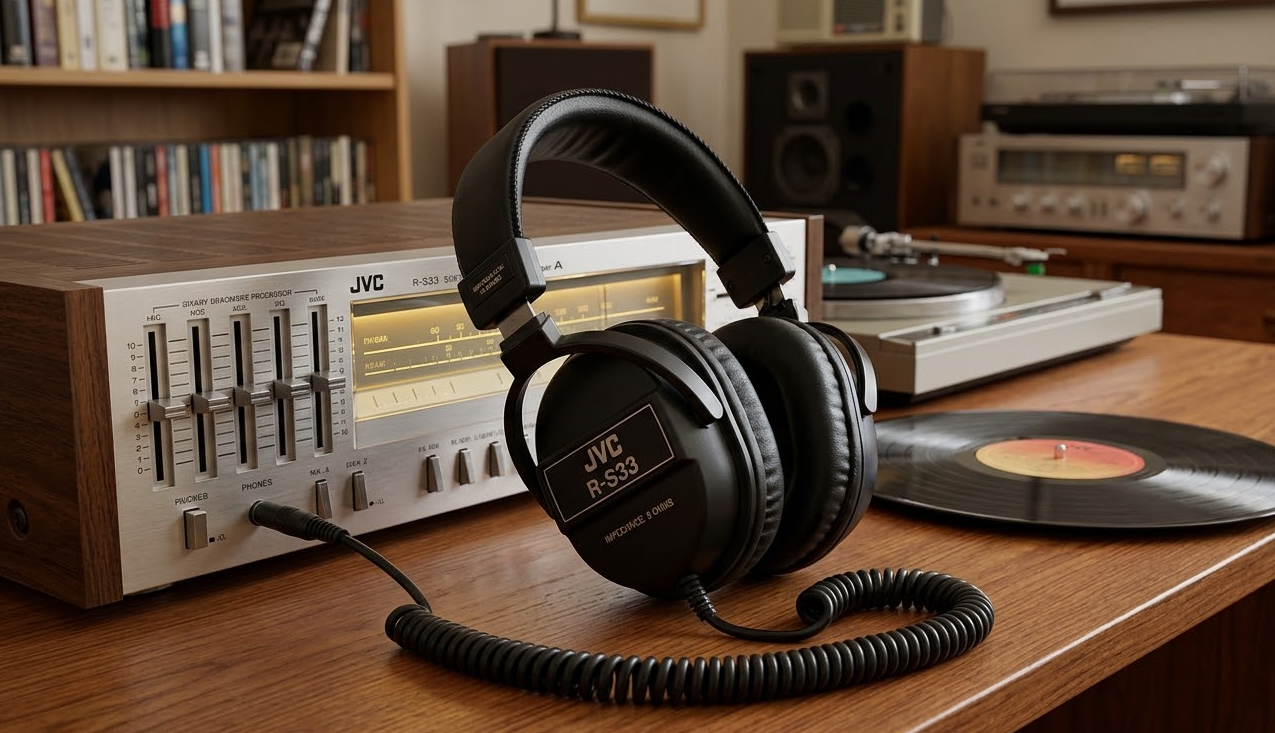
Many audio enthusiasts continue to revisit vintage stereo receivers because of their strong sound performance and classic engineering design. One such device is the JVC R-S33 Stereo Receiver, a classic receiver known for its solid build quality and reliable performance. When users search for information about JVC R-S33 ohms headphones, they are typically trying to understand what headphone impedance works best with this receiver’s headphone output.
Understanding headphone impedance and amplifier compatibility is essential for achieving clear sound, balanced volume, and optimal listening comfort. Vintage receivers like the JVC R-S33 were designed during a time when headphone technology differed significantly from today’s models. As a result, knowing the correct impedance range for headphones can make a noticeable difference in audio quality.
This comprehensive guide explores the relationship between the JVC R-S33 receiver and headphone impedance, explains how ohms affect headphone performance, and offers practical advice on choosing the best headphones for this vintage audio device. Along the way, we will examine sound quality considerations, compatibility with modern headphones, and expert insights that help users get the most from their listening setup.
Understanding the JVC R-S33 Stereo Receiver
The JVC R-S33 Stereo Receiver is a vintage stereo component produced by JVC, a Japanese electronics company known for its contributions to home audio equipment. During the late twentieth century, receivers like the R-S33 served as the central hub of home entertainment systems.
A stereo receiver combines multiple components into one unit. It typically includes an amplifier, radio tuner, and multiple audio inputs. The JVC R-S33 followed this design philosophy and offered strong amplifier output for speakers while also including a headphone jack for private listening.
The headphone output on vintage receivers often uses a resistor network connected to the main amplifier. This means the headphone signal is derived from the same circuitry that powers speakers. Because of this design, headphone impedance becomes an important factor when determining compatibility.
Many modern listeners use the jvc r-s33 ohms headphones with contemporary headphones, so understanding its headphone impedance expectations helps prevent distortion, excessive volume, or weak sound output.
Also Read:Alfonsina Storni Estilo y Formas A Deep Exploration of Her Poetic Voice
What “Ohms” Mean in Headphones
To understand JVC R-S33 ohms headphones, it is important to understand what impedance means in audio equipment.
Impedance is measured in ohms and represents the electrical resistance a headphone presents to an amplifier. It indicates the amount of electrical power the headphones need in order to generate audio.
Headphones typically fall into three impedance categories. Low-impedance headphones usually range between 16 and 32 ohms and are designed for smartphones, laptops, and portable devices. Medium-impedance headphones often fall between 60 and 150 ohms and provide a balance between efficiency and audio accuracy. High-impedance headphones generally range from 250 ohms to 600 ohms and are commonly used with professional amplifiers.
The impedance of headphones directly affects how they interact with a receiver like the JVC R-S33. Lower impedance headphones require less voltage but more current, while higher impedance headphones need higher voltage but less current.
Vintage receivers were usually optimized for medium to high impedance headphones. This design ensures better sound stability and avoids excessive current draw from the amplifier circuit.
Typical Headphone Impedance Range for the JVC R-S33
When discussing JVC R-S33 ohms headphones, many audio enthusiasts want to know the ideal impedance range for the receiver’s headphone output.
Although the official documentation may vary depending on production revisions, most vintage stereo receivers like the JVC R-S33 perform best with headphones in the range of approximately 32 ohms to 600 ohms. This wide range means the receiver is technically compatible with many headphones, but optimal sound quality often occurs between 100 and 300 ohms.
Medium-impedance headphones tend to produce balanced results because they match well with the amplifier’s output level. High-impedance headphones can also work effectively, particularly for listeners who prefer detailed and controlled sound reproduction.
Low-impedance headphones can function as well, but they may produce louder output with less precise volume control. In some cases, listeners notice background noise or reduced audio balance when using very low impedance headphones with vintage receivers.
Understanding these characteristics helps users choose the right headphones for the jvc r-s33 ohms headphones without compromising audio clarity or comfort.
How Headphone Impedance Affects Sound Quality
The relationship between impedance and sound quality is one of the most important aspects of JVC R-S33 ohms headphones.
Higher impedance headphones often deliver more refined sound because they require greater voltage to operate. This typically results in cleaner audio reproduction, improved detail, and reduced distortion when paired with powerful amplifiers.
Lower impedance headphones are easier to drive but may introduce slight distortions when connected to high-output amplifiers like those found in vintage receivers.
Another important concept is damping factor, which describes how effectively an amplifier controls headphone drivers. When impedance matches properly, the amplifier maintains better control over the headphone diaphragm, producing tighter bass and more accurate sound reproduction.
For listeners using the jvc r-s33 ohms headphones for music playback, choosing the right impedance helps ensure that bass frequencies remain controlled while vocals and instruments stay clear and natural.
Compatibility with Modern Headphones
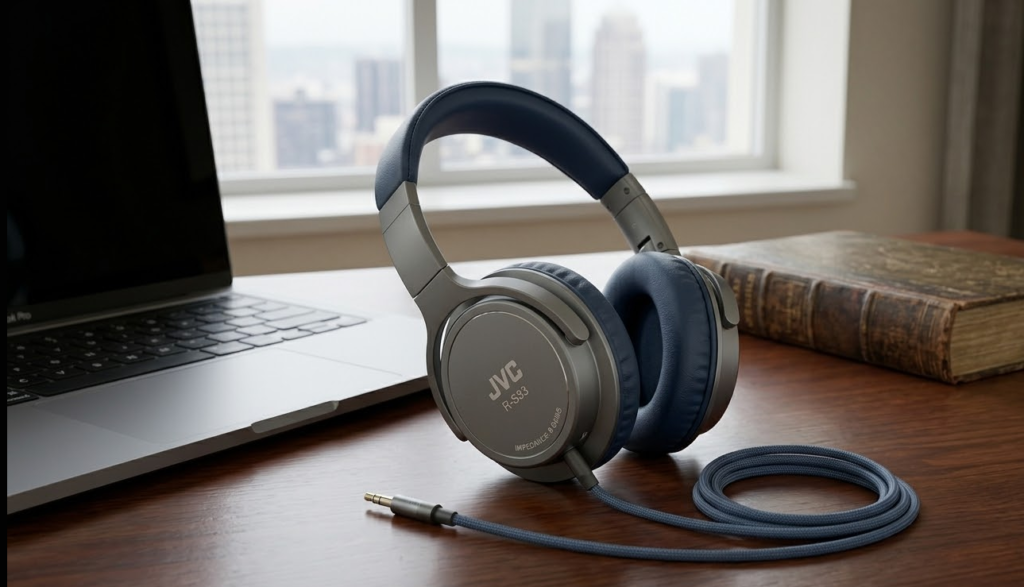
Modern headphone technology has evolved significantly since the era when the JVC R-S33 was originally manufactured. Today’s headphones are often optimized for portable electronics rather than powerful stereo receivers.
This means many modern models feature lower impedance ratings. While these headphones will still work with the receiver, users may need to adjust the volume carefully to avoid excessively loud output.
Some listeners prefer using studio headphones with higher impedance because they pair more naturally with vintage amplifiers. Studio headphones are designed for accuracy and typically feature impedance ratings between 80 and 300 ohms.
Also Read:E Rules A Complete Guide to Exponential Rules in Mathematics
These headphones can take advantage of the receiver’s amplifier power while maintaining detailed and balanced audio reproduction.
The Role of Headphone Sensitivity
In addition to impedance, headphone sensitivity also influences the performance of JVC R-S33 ohms headphones.
Sensitivity indicates how effectively headphones transform electrical signals into audible sound. It is typically measured in decibels per milliwatt.
Headphones with higher sensitivity produce louder sound at lower power levels. Those with lower sensitivity require more amplifier power to reach the same volume.
When using the JVC R-S33 receiver, headphones with moderate sensitivity often produce the best listening experience. They allow the volume control to operate smoothly without sudden jumps in loudness.
Combining appropriate impedance and sensitivity helps ensure the receiver delivers clean and controlled audio output.
Why Vintage Receivers Like the JVC R-S33 Still Matter
Despite the rise of digital streaming and wireless audio, vintage stereo receivers remain popular among audio enthusiasts.
Devices like the JVC R-S33 Stereo Receiver offer several advantages. Their analog amplifier circuits often produce warm and dynamic sound. Many listeners appreciate the physical controls, durable construction, and distinctive visual design.
Vintage receivers are also known for their powerful amplification stages. Even entry-level models from past decades often deliver stronger output than modern compact audio devices.
Because of this power, they can drive a wide variety of headphones with ease. Understanding the correct impedance ensures users can enjoy the full potential of their receiver without risking damage to headphones or hearing.
Choosing the Best Headphones for the JVC R-S33
Selecting the right jvc r-s33 ohms headphones for the JVC R-S33 involves balancing impedance, sensitivity, comfort, and sound preference.
Listeners who enjoy detailed music reproduction may prefer higher impedance headphones because they emphasize clarity and control. These headphones often reveal subtle elements in recordings that might otherwise go unnoticed.
Those who prefer casual listening may find medium impedance headphones more practical because they provide good volume levels without requiring precise adjustments.
Comfort is another critical factor. Headphones used with home stereo receivers are often worn for extended listening sessions. Soft ear cushions, adjustable headbands, and breathable materials can significantly improve the listening experience.
Sound signature also plays a role. Some headphones emphasize bass, while others prioritize neutral sound for accurate music reproduction. The ideal choice depends on personal preference and the type of music being played through the receiver.
Using Adapters and External Headphone Amplifiers
Some users choose to enhance their JVC R-S33 ohms headphones setup by adding additional equipment.
External headphone amplifiers can provide more precise impedance matching and refined sound control. However, because the JVC R-S33 already includes a powerful amplifier stage, external amplification is not always necessary.
Adapters may also be used when connecting headphones with different plug sizes. Many vintage receivers feature quarter-inch headphone jacks, while modern headphones often use smaller 3.5 mm connectors.
Simple adapters allow these headphones to connect easily without affecting audio quality.
Maintenance and Care for Vintage Audio Equipment
When using a vintage receiver like the JVC R-S33 Stereo Receiver, proper maintenance helps preserve performance and reliability.
Dust accumulation can affect electronic components and reduce airflow. Keeping the receiver clean and well ventilated helps maintain stable operation.
Volume knobs and switches may occasionally require cleaning because oxidation can create noise or inconsistent operation. Many enthusiasts use specialized electronic contact cleaners to restore smooth control movement.
Regular maintenance ensures the receiver continues delivering high-quality audio for many years.
The Listening Experience with JVC R-S33
The appeal of vintage receivers goes beyond technical specifications. Many listeners describe the sound of analog amplifiers as warm, full, and immersive.
When paired with compatible headphones, the JVC R-S33 creates a listening experience that feels powerful yet natural. Instruments often sound richer, and stereo imaging becomes more pronounced.
This combination of classic engineering and thoughtful headphone selection allows listeners to rediscover music with renewed clarity and emotional impact.
Conclusion
Understanding JVC R-S33 ohms headphones is essential for anyone using this vintage receiver for personal listening. Headphone impedance plays a major role in determining compatibility, volume control, and overall sound quality.
The JVC R-S33 stereo receiver was designed to work with a wide range of headphones, but medium to high impedance models often deliver the most balanced results. By considering impedance, sensitivity, and comfort, listeners can select headphones that complement the receiver’s powerful amplifier and warm analog sound.
Even decades after its release, the JVC R-S33 remains a reliable and enjoyable piece of audio equipment. With the right headphones and proper maintenance, it continues to provide a rich listening experience that modern digital devices sometimes struggle to replicate.
FAQs
What impedance headphones work best with the jvc r-s33 ohms headphones?
Most headphones between roughly 32 and 300 ohms work well with the JVC R-S33 receiver. Medium impedance models often provide the most balanced performance.
Can low impedance headphones be used with the jvc r-s33 ohms headphones?
Yes, low impedance headphones can be used, but they may produce louder output and require careful volume adjustment.
Are high impedance headphones better for vintage receivers?
High impedance headphones often match vintage amplifier designs well and can provide clearer and more controlled sound.
Does headphone sensitivity matter with the jvc r-s33 ohms headphones?
Yes. Sensitivity determines how efficiently headphones convert power into sound. Moderate sensitivity usually provides the most comfortable listening experience.
Can modern headphones be used with the jvc r-s33 ohms headphones?
Modern headphones are generally compatible, though an adapter may be required for the receiver’s larger headphone jack.
For more updates visit: blogify News